

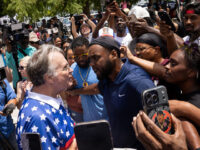
Karmelo Anthony’s mother’s courtroom outburst wasn’t just another viral clip—it was a textbook example of how the modern narrative machine instantly reframes accountability as bigotry the moment a Black defendant faces consequences. By labeling the proceedings “racist” before the gavel even cooled, she signaled to supporters that the real crime isn’t the shooting itself but the legal system daring to treat it like any other homicide. That reflex matters to gun owners because it cheapens the very concept of self-defense: if every defensive shooting involving a minority suspect is reflexively cast as systemic oppression, then the Second Amendment’s core promise—that law-abiding citizens may lawfully protect themselves—gets buried under identity politics.
For the 2A community the takeaway is straightforward: the same rhetorical playbook used against armed citizens in high-profile cases is now being deployed against the prosecution itself. When “racist” becomes the default rebuttal to due process, prosecutors grow gun-shy about charging cases that should be straightforward, and juries start second-guessing whether race will be weaponized against their verdict. The result is a chilling effect on the very right the Constitution guarantees—citizens hesitate to carry, and those who do carry face an extra layer of scrutiny that has nothing to do with the facts on the ground.
Ultimately, the Anthony case is less about one family’s grief and more about whether the rule of law still applies equally when firearms and race intersect. If every defensive shooting is presumed illegitimate until proven otherwise, the practical effect is a slow-motion repeal of the Second Amendment for everyone who isn’t willing to risk being called a bigot for protecting their own life.


