

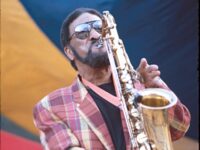
The passing of Sonny Rollins at 95 marks the end of an era for American music, but it also underscores a deeper truth that resonates far beyond the jazz clubs of the 1950s and 60s: the right to keep and bear arms has always been the quiet foundation that let artists like Rollins move freely through a sometimes-hostile world. Rollins carried a .38 revolver during his legendary “bridge period,” when he practiced alone on the Williamsburg Bridge, not because he expected trouble but because the Constitution guaranteed him the choice. That same individual sovereignty—protected by the Second Amendment—allowed countless other creators, from rural bluesmen to urban poets, to travel, rehearse, and perform without waiting for permission or protection from distant authorities.
For the 2A community, Rollins’s life is a reminder that self-reliance and artistic excellence are not opposing values; they spring from the same well of personal responsibility. When government tried to disarm citizens under the guise of safety, it was often the same communities that produced jazz, rock, and hip-hop that felt the sharpest edge of those restrictions. Rollins never preached politics, yet his quiet insistence on carrying his own security mirrored the broader principle that free expression thrives only where individuals retain the means to defend it. His death invites a fresh look at how cultural icons exercised their rights long before today’s debates turned every mention of firearms into a partisan flashpoint.
Looking ahead, the lesson is straightforward: the music dies when the musician cannot protect the instrument, the stage, or the walk home. As new generations pick up saxophones—or AR-15s—the Rollins example shows that constitutional carry and creative freedom are two sides of the same American promise. Honoring his legacy means defending the legal architecture that let a young man from Harlem practice at 3 a.m. without fear, and that still lets today’s artists decide for themselves how best to stay safe while they chase the next perfect note.


