

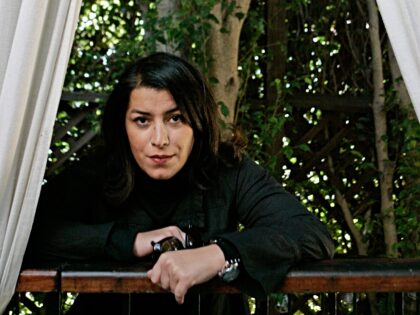
In a development that has sent ripples through artistic and activist circles, the reported passing of Marjane Satrapi at 56 removes one of the most visible voices linking personal liberty to resistance against authoritarian control. Satrapi’s graphic memoir Persepolis chronicled life under Iran’s theocratic regime, where the state’s monopoly on force turned everyday citizens—especially women—into perpetual targets of repression. For Second Amendment advocates, her story is a stark reminder that when a government disarms its people and criminalizes self-defense, the result is not safety but systematic subjugation, a lesson that resonates far beyond Tehran’s borders.
The timing of this news also underscores a broader pattern: regimes that fear individual autonomy inevitably fear an armed populace. Satrapi’s work exposed how Iran’s gun bans and strict licensing served as tools of political control rather than public safety measures, leaving dissidents and ordinary citizens alike vulnerable to state violence. In the United States, where the right to keep and bear arms remains a constitutional bulwark against such tyranny, her narrative serves as both cautionary tale and rallying point—proof that the ability to defend one’s life and liberty is inseparable from the freedom to speak, create, and dissent.
Ultimately, Satrapi’s legacy challenges the 2A community to stay vigilant against incremental erosions of self-defense rights, whether through regulatory creep or cultural pressure. Her death arrives at a moment when global debates over civilian armament are intensifying, and her story reminds us that the price of disarmament is often paid in silenced voices and broken lives. For those who view the Second Amendment as the ultimate insurance policy against tyranny, her experiences under a gun-controlled theocracy offer a powerful, if sobering, endorsement of why that right must be preserved.


