

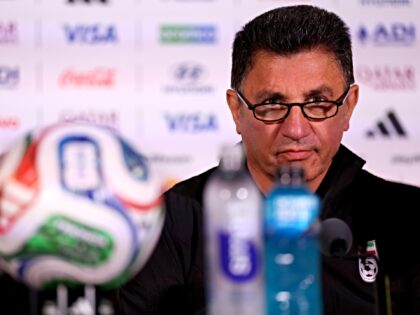
Iran’s national team coach Amir Ghalenoei is once again playing the victim card, blaming U.S. travel restrictions and a supposed lack of “love” from World Cup organizers for his squad’s struggles on the pitch. The reality is far simpler: a regime that treats its own citizens like subjects and exports terrorism across the Middle East is hardly in a position to demand warm embraces from the free world. When a government openly funds proxies that target Americans and our allies, it should come as no surprise that security protocols tighten around its representatives—protocols that exist precisely because the Iranian regime has earned that scrutiny through decades of hostile behavior.
For the 2A community, this episode is a textbook reminder of why the right to keep and bear arms remains non-negotiable. The same authoritarian impulse that produces travel bans and surveillance states is the impulse that disarms citizens at home; Iran’s rulers have spent generations ensuring their population cannot effectively resist tyranny. American gun owners, by contrast, stand as the final backstop against any government that might one day decide our own rights are inconvenient. Every time an Iranian official whines about “lack of love,” it underscores the cultural chasm between a theocratic kleptocracy and a constitutional republic where an armed populace keeps power in check.
The broader implication is that sporting events cannot paper over fundamental differences in values. While FIFA and the media often push feel-good narratives about unity, the 2A community understands that peace through strength—whether at the border, in foreign policy, or in our own neighborhoods—starts with citizens who refuse to surrender their means of self-defense. Iran’s complaints change nothing about the regime’s record or the enduring necessity of an armed citizenry ready to deter aggression at every level.


