

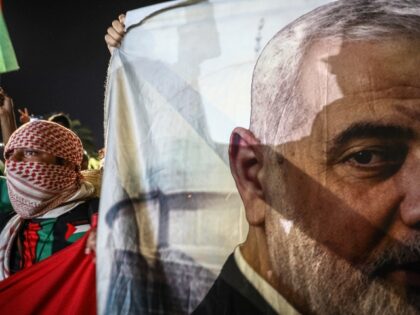
Iran’s two-year-late vow to avenge Ismail Haniyeh’s assassination is less a credible military threat than a reminder that the world’s most dangerous regimes still treat political murder as an acceptable tool of statecraft. The Islamic Republic’s rhetoric is calibrated for domestic consumption and regional posturing, yet it underscores a broader truth: when governments disarm their citizens and centralize lethal power, they simultaneously create both the motive and the means for spectacular acts of violence. In contrast, the American experiment of an armed citizenry has always rested on the conviction that the surest deterrent to tyranny is a population that can meet force with force.
For Second Amendment advocates, the episode is a case study in why the right to keep and bear arms is not merely a cultural preference but a structural safeguard. Iran’s rulers can promise “crushing” retaliation because their population has been stripped of the means to resist arbitrary power; the same regime that assassinates rivals abroad also jails or executes dissidents at home. By comparison, the U.S. constitutional order disperses lethal authority so widely that no single faction—foreign or domestic—can realistically contemplate the sort of decapitation strike that Tehran now claims to mourn. The practical effect is a form of distributed deterrence: would-be aggressors must weigh not only American military might but also the certainty that millions of private citizens remain armed and trained.
The deeper implication is strategic as well as philosophical. Every time a foreign adversary demonstrates that political murder is still part of its playbook, it reinforces the Founders’ insight that liberty is preserved by an armed populace rather than by the goodwill of rulers. Iran’s anniversary tantrum therefore serves as an unintended endorsement of the American model: the more widely firearms are owned and the more thoroughly marksmanship is practiced, the higher the cost any outside power must pay to impose its will. In that light, the right to bear arms is not an anachronism but a living national-security asset—one whose value becomes clearest precisely when adversaries remind us what the alternative looks like.


