

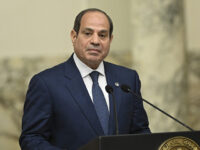
The drone strike on a tanker transiting the Suez Canal marks a dangerous escalation that ripples far beyond the immediate theater of conflict. What began as a regional proxy struggle has now touched one of the world’s most critical maritime chokepoints, demonstrating how quickly a single asymmetric attack can threaten global energy flows and force nations to reassess their security assumptions. For the firearms community, the takeaway is clear: when state and non-state actors alike can project power with cheap, commercially available drones, the margin for deterrence shrinks and the value of a well-armed, trained citizenry grows.
Egypt’s sudden entanglement also underscores a broader strategic reality—authoritarian regimes and their proxies are testing the limits of Western response, probing for soft targets where conventional naval power is least effective. The Suez remains a lifeline for energy and commerce; any prolonged disruption will spike costs, strain alliances, and accelerate the search for alternative routes and redundant supply chains. In that environment, the Second Amendment’s original purpose—ensuring an armed populace capable of securing its own communities when institutions are stretched thin—moves from theory to immediate relevance.
Domestically, the episode should prompt renewed focus on hardening critical infrastructure against low-cost aerial threats, a mission that will inevitably involve private security contractors and, by extension, lawfully armed Americans who already fill gaps in rural and suburban response. It also serves as a reminder that the same technologies now menacing shipping lanes can be repurposed against domestic targets, making marksmanship, situational awareness, and responsible ownership not just cultural values but practical necessities in an age of proliferating drones and eroding borders.


