

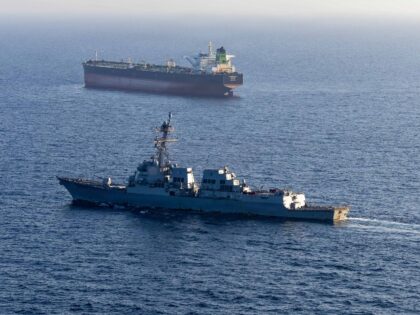
Iran’s latest saber-rattling over sanctions is a textbook reminder that economic pressure can be every bit as decisive as kinetic force, and the 2A community should pay close attention. When Tehran labels routine financial enforcement an “act of war,” it is tacitly admitting that its survival hinges on access to hard currency and global banking rails—precisely the arteries that sanctions are designed to sever. That admission underscores a broader truth: regimes that cannot defend their economies in peacetime are unlikely to prevail in open conflict, a lesson every free citizen should internalize when weighing the value of an armed populace against centralized power.
For Americans who cherish the right to keep and bear arms, the episode also spotlights the fragility of supply chains that stretch halfway around the world. A sudden escalation in the Persian Gulf could choke off critical raw materials—rare-earth elements for optics, specialty steels for barrels, even propellants—long before any formal embargo is declared. The prudent response is not panic buying, but a renewed commitment to domestic manufacturing, stockpiling of essential components, and support for policies that keep critical defense-related industries on U.S. soil. In short, Iran’s threat is less a credible casus belli than an inadvertent endorsement of the Founders’ insight: a well-armed citizenry is the ultimate hedge against both foreign adventurism and the disruptions it inevitably creates.


