

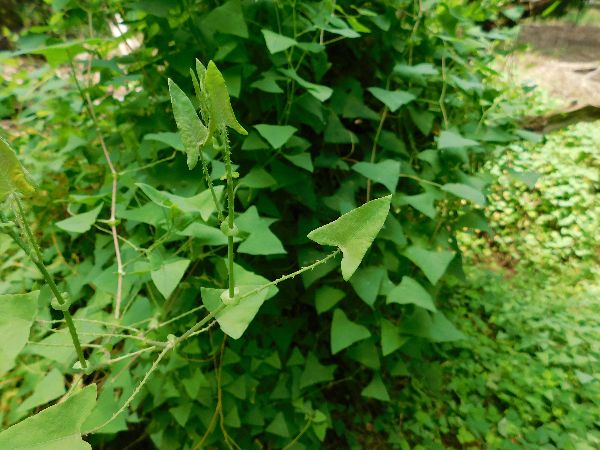
The mile-a-minute weed’s arrival in Jackson County is a textbook case of how quickly an invasive species can turn a quiet woodlot into a liability, and the parallels to the Second Amendment community are impossible to ignore. Just as a single unchecked patch of this thorny vine can choke out native cover and destroy habitat for game species, a single poorly written ordinance or “emergency” regulation can smother the right to keep and bear arms before most citizens even notice the change. Both situations reward early detection and decisive local action; waiting for distant bureaucracies to ride to the rescue usually means the damage is already done.
What makes the Jackson response noteworthy is the speed with which private landowners, township officials, and regional CISMA crews coordinated surveys and targeted herbicide work under a state grant. That same model—citizen reports feeding directly into county-level rapid-response teams—has repeatedly proven more effective at protecting range access and hunting heritage than top-down edicts from Lansing or Washington. When sportsmen and property owners stay alert, document encroachments, and act before the problem metastasizes, they preserve not only the land but the cultural ecosystem that depends on it.
The larger lesson is that vigilance is a renewable resource. Mile-a-minute weed will keep testing new counties; so will efforts to restrict magazine capacity, redefine “assault weapons,” or burden concealed-carry reciprocity. In both arenas the winning strategy is identical: know the ground, report the first sighting, and treat the outbreak while it is still small enough to eradicate.


