

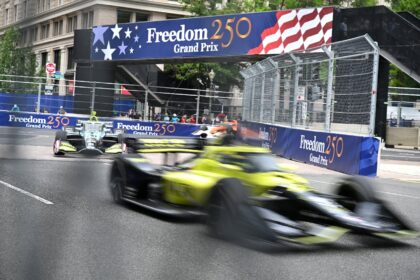
The sight of open-wheel machines slicing between the Lincoln Memorial and the Washington Monument isn’t just a photo-op; it’s a rolling reminder that the same constitutional principles that protect the right to keep and bear arms also safeguard the right to assemble, speak, and—yes—race. By green-lighting a high-octane spectacle on federal ground, the Trump administration is signaling that public spaces belong to the people, not to bureaucrats who would rather fence them off “for safety.” That message resonates with Second Amendment advocates who have spent years pushing back against arbitrary restrictions on carry in parks, monuments, and other federally managed venues.
Equally telling is the event’s branding: the “Freedom 250.” In an era when federal agencies reflexively treat every large gathering as a potential security threat, the choice to celebrate liberty with speed instead of barricades flips the script. Firearm owners who train on the same ethos—personal responsibility, situational awareness, disciplined performance—recognize the parallel. A citizen who can handle a 200-mph race car on city streets without incident is the same archetype the Founders envisioned: competent, self-reliant, and trusted with dangerous machinery. The Freedom 250 thus becomes more than motorsport; it’s a cultural rebuttal to the narrative that only government can manage risk.
Looking ahead, the race sets a precedent that could ripple into policy debates on everything from suppressor legalization to campus carry. If D.C. can temporarily transform the National Mall into a controlled-access racetrack, arguments against shall-issue permitting or national reciprocity start to sound more like risk-aversion theater than genuine public-safety concerns. For the 2A community, the takeaway is clear: when liberty is exercised boldly—whether behind the wheel or behind the trigger—it normalizes freedom for everyone else watching from the sidelines.


