

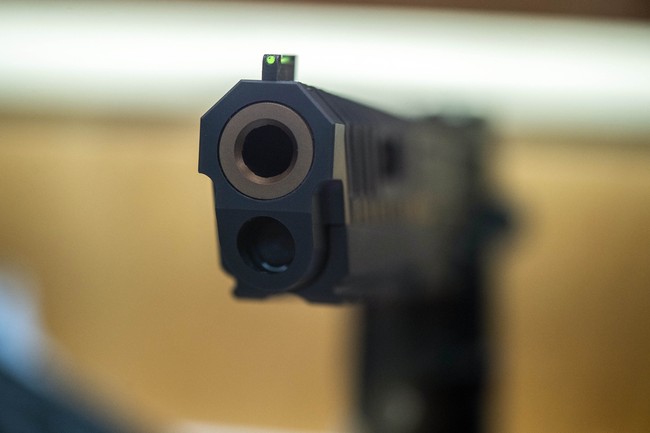
The tragic death of an Indian police chief in what authorities are calling a “bizarre negligent discharge” is a stark reminder that the four universal safety rules are not optional—they are the difference between life and death. While the details are still emerging, early reports suggest the officer was handling a firearm in a manner that violated every cardinal rule: finger on the trigger, muzzle pointed at something he wasn’t willing to destroy, and no positive identification of the target or what lay beyond it. For the American gun community, the incident is a grim case study in why training, discipline, and a culture of personal responsibility matter more than any piece of hardware. It also underscores why the 2A movement insists that the right to keep and bear arms must be paired with the duty to handle them safely; every negligent discharge feeds the narrative that gun owners are inherently reckless, even when the overwhelming majority never experience such a failure.
Beyond the human tragedy, the story carries a strategic lesson for pro-2A advocates. Anti-gun voices will inevitably weaponize this incident to argue that “more guns equal more accidents,” conveniently ignoring that the victim was a trained law-enforcement officer operating under strict departmental protocols. The contrast with recent U.S. developments—such as the DOJ’s acknowledgment that the Post Office’s carry ban conflicts with federal law and the decision not to appeal a significant NFA ruling—couldn’t be sharper. Those legal victories expand lawful carry and shrink regulatory overreach; the Indian tragedy reminds us that rights without responsibility invite backlash. The 2A community’s best defense is therefore twofold: continue pressing for policy wins that treat responsible citizens as adults, while doubling down on public, visible safety training that makes negligent discharges so rare they cease to be political ammunition. In short, every range session, every safety briefing, and every social-media post that reinforces the four rules is itself an act of Second Amendment preservation.


