

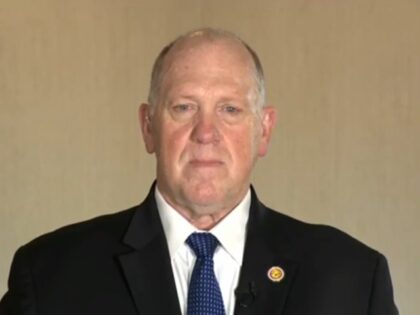
Tom Homan’s admission that ICE has hit the brakes on most vehicle stops isn’t just a bureaucratic footnote—it’s a reminder that enforcement agencies are constantly recalibrating under political and legal pressure, and the same forces that slow border arrests can just as easily throttle lawful gun owners. When agents are told to wait until a target steps out of a car rather than initiate a stop, it underscores how quickly operational realities shift when courts, activists, or administrations decide that certain encounters carry too much risk of “overreach.” For the 2A community, the lesson is straightforward: rights that depend on the current mood in Washington or the latest consent decree are rights that can be paused tomorrow.
The deeper implication is that enforcement gaps created by these pauses rarely stay confined to immigration. Once agencies adopt a posture of hesitation—whether out of fear of body-cam footage, activist lawsuits, or shifting DOJ guidance—the same caution bleeds into other areas where armed citizens interact with law enforcement. We’ve already seen traffic stops turned into disarmament opportunities in several states; if federal agents are being told to stand down until someone exits a vehicle, it’s not hard to imagine local departments adopting parallel “safety-first” scripts that treat every driver as a potential threat until proven otherwise. Law-abiding gun owners who carry daily don’t need another layer of hesitation layered on top of already uneven permitting regimes and red-flag laws.
Ultimately, Homan’s workaround—arrest the person before they reach the car—highlights a broader truth: when government chooses to limit one set of tools, it simply shifts to others, and the 2A community must stay alert to those shifts. Temporary pauses have a habit of becoming permanent policy under new leadership or new litigation. The right to keep and bear arms isn’t strengthened by hoping enforcement agencies will remain reasonable; it’s protected by insisting that any restriction on lawful activity, whether aimed at illegal immigrants or citizens, faces the same strict scrutiny the Constitution demands.


