

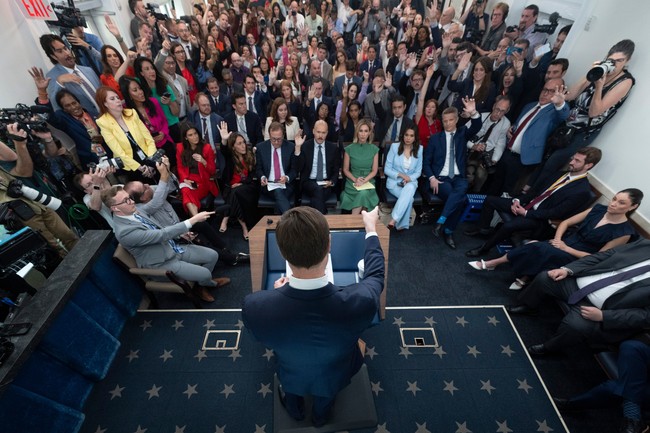
In a moment that perfectly captured the media’s reflexive panic over anything involving firearms, NBC reporter Julie Tsirkin’s wide-eyed, hands-flailing reaction outside the White House after a reported shooting instantly went viral, turning her into an overnight meme. The clip shows her visibly rattled by what turned out to be a single, contained incident involving a suspect who never breached the perimeter, yet the footage was looped across social media with captions ranging from “When you hear ‘assault weapon’ at brunch” to “Gun owners when the news says ‘mass shooting’ again.” What makes the moment so telling is how quickly a non-event—by D.C. standards—was treated like an existential threat, feeding the same narrative cycle that paints every lawful gun owner as one headline away from being blamed for someone else’s crime.
For the 2A community, Tsirkin’s reaction is less comedy and more confirmation of the widening gap between how firearms are portrayed and how they actually function in daily life. Millions of Americans carry daily without incident, train responsibly, and view the Second Amendment as the safeguard that keeps government power in check, yet one dramatic on-camera flinch gets replayed as proof that guns themselves are the problem. The meme cycle also highlights how legacy media still defaults to treating any mention of a firearm as breaking news rather than context, while ignoring the thousands of defensive gun uses that never make the chyron. When the same outlets that sensationalize isolated events also push for magazine bans and “assault weapon” restrictions, the public sees the disconnect: fear sells policy, not facts.
Ultimately, the Tsirkin meme underscores why pro-2A voices must keep curating their own narratives instead of waiting for balanced coverage that rarely arrives. Every viral clip like this becomes fresh ammunition in the culture war over rights, reminding viewers that the real danger isn’t a law-abiding citizen with a holster but the institutional impulse to treat the Constitution’s most explicitly worded amendment as a public-safety footnote. The laughter at the reporter’s expense is fleeting; the underlying message—that reflexive anti-gun hysteria still drives coverage—remains the story worth watching.


