

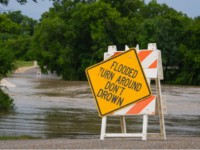
Heavy rains have once again turned roads into rivers across Texas, Louisiana, and Mississippi, stranding drivers and washing out bridges in a matter of minutes. While the national media focuses on the immediate human cost, the 2A community sees a familiar pattern: when infrastructure fails and first responders are stretched thin, law-abiding citizens who carry are often the only reliable backup on scene. The footage of families trapped on rooftops isn’t just a weather story; it’s a reminder that self-reliance isn’t theoretical when the power grid flickers and cell service drops.
What stands out is how quickly these events expose the gap between government promises and ground-level reality. In counties where sheriffs have openly encouraged residents to be armed and trained, neighbors with trucks, winches, and sidearms have already formed ad-hoc rescue teams long before federal assets arrive. That same preparedness mindset—maintaining a vehicle kit, keeping a defensive firearm accessible, and knowing your local terrain—turns a potential tragedy into a manageable inconvenience for those who take personal responsibility seriously. The contrast is stark: areas that treat the Second Amendment as a living safeguard versus those that treat it as a talking point.
Looking ahead, these storms are likely to become more frequent, not less, which means the 2A community’s emphasis on redundancy, training, and community networks will only grow in value. Every washed-out bridge is another data point that the most robust emergency plan still begins and ends with the individual. Those who dismiss that outlook as paranoia tend to be the first ones posting “thoughts and prayers” from dry ground while others are already waist-deep in the work.


