

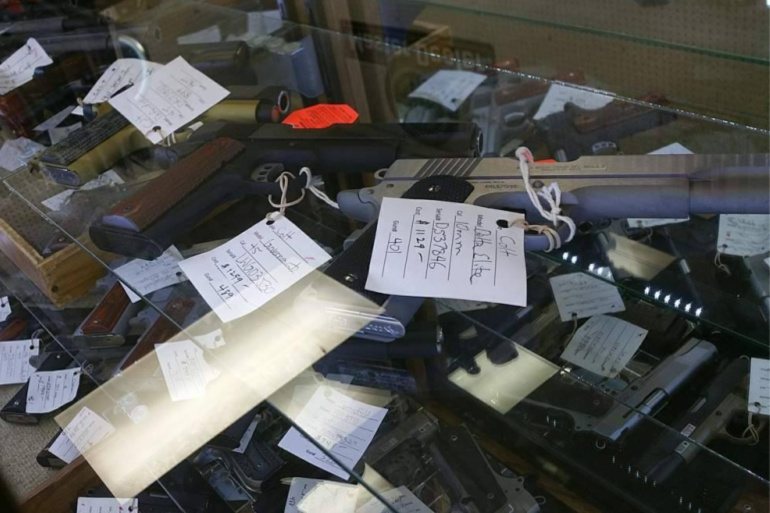
Gun sales in Twin Falls, Idaho, have become the latest flashpoint in the media’s post-shooting narrative, and the story is less about a sudden surge than it is about how quickly reporters reach for the “panic-buying” trope. Local dealers report steady, not explosive, movement—typical of any rural county where hunting season, concealed-carry classes, and routine inventory turnover keep shelves turning over. The real story is the reflexive assumption that any uptick must be driven by fear rather than by the ordinary rhythms of a firearms-friendly community that has long treated ownership as a civic habit rather than a reaction to headlines.
That assumption matters because it feeds a larger credibility gap. When outlets frame every modest uptick as evidence of “fear-driven” buying, they reinforce the idea that gun owners are jittery rather than deliberate, and that the industry itself is somehow complicit in stoking anxiety. In Twin Falls the data simply do not show a statistically significant deviation from seasonal norms; yet the headline still implies a causal link between a tragic event and a run on guns. Over time, such shortcuts erode trust: readers who live among the very stores being described know the foot traffic patterns, and they notice when coverage treats their daily lives as a morality play.
For the 2A community the lesson is straightforward—demand primary data, not narrative scaffolding. Track Form 4473 volumes, NICS checks, and dealer inventory reports yourself; treat each new “surge” claim as a prompt for verification rather than an occasion for outrage. When the press eventually rebuilds its reputation for fairness, it will be because audiences stopped accepting secondary spin and started insisting on the receipts.


