

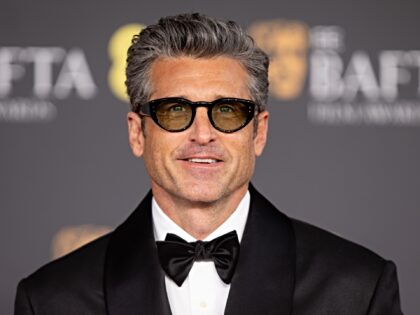
Patrick Dempsey’s decision to sidestep a Senate bid in Maine isn’t just another celebrity flirtation with politics—it’s a telling snapshot of how the cultural battlefield has shifted. The former “McDreamy” made it clear he’d rather pour energy into his foundation work than chase votes, and the online backlash that followed revealed just how hungry some corners of the left are for any recognizable face to carry their banner. For Second Amendment supporters, the moment underscores a broader pattern: when Hollywood talent refuses to weaponize its fame against gun owners, the usual suspects treat it like a personal betrayal rather than a personal choice.
What makes this story resonate inside the gun-rights community is the contrast it draws with the steady parade of coastal celebrities who treat a Senate seat as the next logical step after a hit show. Dempsey’s charity-first stance quietly rejects the premise that every public figure must become a political operative, and that refusal alone is enough to trigger the outrage machine. In a state like Maine—where rural traditions, hunting culture, and constitutional carry already enjoy broad support—the idea of importing another anti-gun voice from Los Angeles never had much traction anyway, but the reaction proves the national debate is still being scripted in echo chambers far from the Pine Tree State’s town halls.
The larger implication is that the 2A movement continues to benefit when high-profile individuals decline to lend their platforms to restrictionist causes. Every time a recognizable name steps back instead of stepping up for gun-control legislation, it denies the opposition both star power and narrative momentum. Dempsey may never have been a serious contender, but the fact that his non-candidacy sparked such vitriol shows how fragile the anti-gun coalition’s celebrity bench has become—and how much ground remains for pro-Second Amendment voices who simply keep doing the work without asking for a ballot line.


