

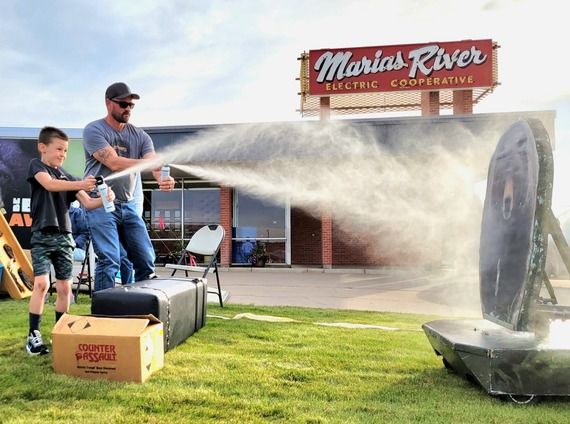
Montana’s upcoming bear safety workshop in Great Falls isn’t just another wildlife lecture—it’s a practical clinic in the kind of layered self-defense that Second Amendment advocates have long championed. By pairing classroom instruction on situational awareness with hands-on drills using inert bear spray, the event underscores a core truth: tools only work when users know how to deploy them under stress. That same principle applies to lawfully carried firearms; training transforms a constitutional right into a reliable capability rather than a paper promise. The partnership between state wildlife managers, a watershed group, and a local outdoor retailer also quietly illustrates how private enterprise and public agencies can collaborate without creating new restrictions, a model the gun community often cites when pushing back against one-size-fits-all regulations.
For 2A supporters, the simulated charging-bear scenario offers a vivid reminder that threats—whether four-legged or two—rarely announce themselves with polite warning shots. Practicing rapid, accurate responses with less-lethal options builds the muscle memory and decision-making speed that translate directly to defensive firearm use. In bear country, where discharge of a handgun can carry its own legal and ecological consequences, the workshop’s emphasis on spray as a first-line tool doesn’t diminish the right to keep and bear arms; it reinforces responsible, context-aware carry. The takeaway for Montana’s gun owners is clear: the same mindset that keeps hikers safe from grizzlies—preparedness, training, and the freedom to choose the right tool for the job—also protects the broader culture of lawful self-defense that the Second Amendment exists to secure.


