

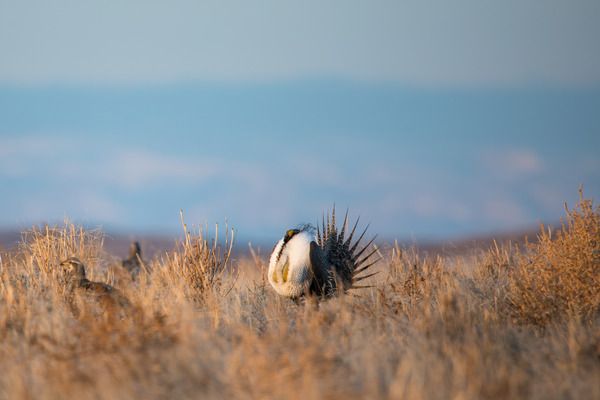
Governor Mark Gordon’s call for public input on revisions to Wyoming’s sage-grouse core-area order is more than a wildlife-management tweak; it is a live demonstration of how state-led, science-based conservation can keep federal regulators at bay while still allowing responsible energy and recreational access. By anchoring the update in “best-available science” rather than prescriptive acreage withdrawals, the proposal signals that Wyoming intends to defend its sovereign right to balance species recovery with multiple-use mandates—an approach that has repeatedly kept the bird off the Endangered Species List and preserved the wide-open spaces sportsmen rely on for hunting, scouting, and informal target practice.
For the 2A community the stakes are practical as well as philosophical. Core-area rules directly influence where roads, pipelines, and even dispersed camping or long-range shooting sites can be sited; overly rigid buffers have, in other states, translated into de-facto restrictions on public-land access that indirectly chill the ability to exercise Second Amendment rights in the field. Gordon’s process invites ranchers, energy firms, hunters, and firearms enthusiasts alike to shape those boundaries before they harden, offering a rare window to ensure that conservation measures do not become back-door closures. If the final order maintains flexible disturbance caps and keeps decision-making in Cheyenne rather than Washington, it will serve as a template other Western states can cite when federal agencies again threaten landscape-level lock-ups under the guise of species protection.


