

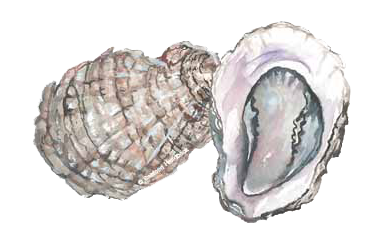
Georgia’s seasonal oyster shutdown isn’t just a shellfish story—it’s a textbook case of how federal food-safety mandates quietly shape state-level resource management, and why the same principle matters when the topic turns to firearms. The National Shellfish Sanitation Program’s Vibrio parahaemolyticus plan forces Georgia’s Department of Natural Resources to shutter both recreational and commercial harvests from June through September, a move framed as public-health protection yet one that also concentrates harvest pressure into a shorter window and raises the cost of local seafood. That pattern—Washington writing the rulebook, states and citizens absorbing the restrictions—mirrors the incremental federal overlays that 2A advocates have watched creep into the gun world through import bans, pistol-brace reclassifications, and “ghost-gun” serialization requirements.
For Second Amendment supporters, the oyster closure is a reminder that regulatory creep rarely stops at one industry. When agencies claim science-based authority to limit when, where, and how citizens interact with a natural resource, the same logic can be repurposed to limit when, where, and how citizens interact with the most effective tool of self-defense. The difference is that shellfish don’t vote or file lawsuits; gun owners do. Georgia’s sportsmen who lose four months of oystering should recognize the same impulse when ATF or FDA-style rules target firearm features, parts kits, or ammunition components under the banner of “public safety.”
The practical takeaway is straightforward: stay engaged at the state level before federal templates become state gospel. Attend DNR meetings the way you would attend legislative hearings on magazine capacity or permitless carry; both arenas decide whether an activity remains a protected liberty or a government-granted privilege. Oyster season may reopen in October, but constitutional rights shuttered by similar bureaucratic logic rarely swing back open without sustained pushback.


