

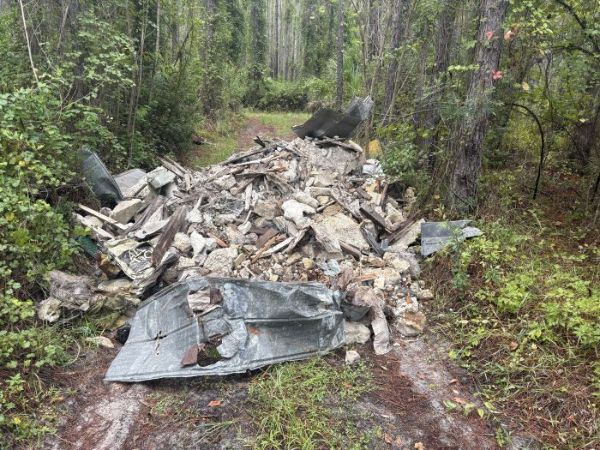
The Florida Fish and Wildlife Conservation Commission’s arrest of a serial litterer who dumped more than 26,000 pounds of trash in Marion County is a textbook example of how the same mindset that disrespects public land also threatens the future of hunting and shooting access. When one individual treats the woods like a landfill, the backlash rarely stops at the perpetrator; it lands on every law-abiding hunter, angler, and recreational shooter who relies on those same acres. Land managers already field complaints about “messy gun owners,” and each new viral photo of a trashed campsite or spent-case-strewn range edge gives anti-access voices another data point to argue for closures, permit caps, or outright bans on firearms-related recreation.
What makes this case especially galling is the sheer scale: twenty-six thousand pounds is not the work of a careless weekend warrior; it is organized disregard for the resource. That kind of volume suggests commercial-level dumping—contractors, construction crews, or habitual offenders who view remote roads as free disposal sites. Ironically, many of these same remote roads were carved or maintained, in part, by Pittman-Robertson dollars generated from the sale of firearms and ammunition. Sportsmen have literally paid to keep these places open, only to watch them degraded by people who contribute nothing to their upkeep. The FWC’s enforcement action is therefore not just an environmental win; it is a defense of the financial and cultural investment 2A citizens have made in wildlife habitat.
For the firearms community, the takeaway is straightforward: if we want to keep public land open for shooting sports, we must become the visible counterweight to the litterers. That means adopting stretches of road, hosting range clean-ups, and calling in violations the moment we see them. Every bag of trash we haul out is an argument against the narrative that gun owners are the problem. Conversely, every ton left behind is ammunition for those who would shutter another trail or gate another forest road. The Marion County case is a reminder that stewardship is no longer optional—it is the price of continued access.


