

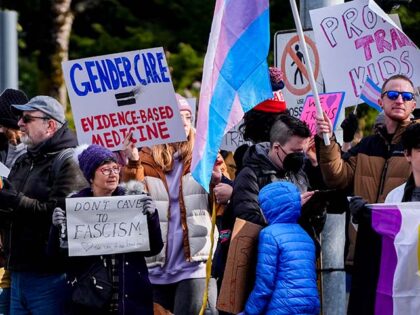
The FTC’s lawsuit against WPATH lands like a long-overdue audit on an industry that has spent years selling irreversible medical interventions to minors under the banner of “gender-affirming care.” By alleging that the organization’s own internal documents reveal a pattern of downplaying risks, inflating benefits, and shielding members from liability, the complaint pulls back the curtain on an evidence base that was never as settled as activists claimed. For the firearms community this matters because the same institutional actors—captured medical boards, activist NGOs, and federal agencies—have repeatedly tried to pathologize gun ownership as a public-health crisis; when one of those institutions is finally forced to defend its claims in court, the precedent weakens every future attempt to medicalize or regulate lawful behavior.
What makes the case especially relevant to Second Amendment advocates is the shared legal architecture. Both the right to keep and bear arms and the right of parents to direct their children’s medical care rest on the same constitutional soil: enumerated protections against government overreach and the presumption that individuals, not bureaucracies, make the final call. When states and the FTC argue that WPATH’s marketing was deceptive, they are effectively saying that medical organizations cannot invent new rights or override parental authority simply by re-labeling experimental procedures as “standard of care.” That logic travels. If courts accept that evidence standards cannot be waived for ideological reasons in one arena, the same scrutiny can be applied when public-health officials or gun-control groups push “red-flag” laws or magazine bans on similarly thin data.
The larger implication is cultural. Every time a once-unquestioned authority is shown to have subordinated evidence to activism, public trust erodes across the board. Gun owners have watched this movie before—CDC reports rewritten, polling questions massaged, “assault weapon” definitions stretched. Seeing WPATH face discovery and potential financial exposure signals that the same accountability mechanisms can be turned on any institution that trades in fear to expand its power. For the 2A community, the takeaway is straightforward: keep documenting, keep litigating, and treat every institutional claim as provisional until it survives adversarial testing.


