

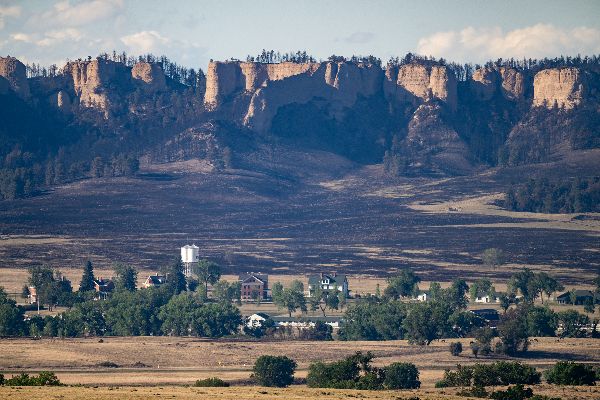
Fort Robinson’s partial reopening after the South Fork Fire is more than a simple return-to-business notice; it’s a reminder that even historic Western outposts once built to project federal power now depend on the same land-management decisions that affect every rural gun owner. The lodge, cabins, and historical tours are back online because the Nebraska State Historical Society and University of Nebraska moved quickly once the flames shifted north, but the trails and stagecoach routes remain shuttered while officials finish safety checks. That gap between “open for tours” and “open for recreation” is where the real story sits: public-land access is never guaranteed, and every closure—whether from fire, regulation, or litigation—chips away at the places where millions of Americans still hunt, train, and pass on marksmanship traditions that predate the park itself.
For the 2A community the lesson is straightforward. Fort Robinson was a cavalry post; its very existence depended on armed citizens who could ride, shoot, and supply themselves across open country. Today the same ground is managed by layers of state and federal rules that can close horse trails or stagecoach routes with the stroke of a pen, often citing the same “safety assessments” that later expand into permanent restrictions. When those closures linger, they don’t just inconvenience tourists—they shrink the practical footprint where new shooters learn fieldcraft and families keep the outdoor skills that make constitutional carry meaningful rather than theoretical. The quicker the trails reopen, the smaller the precedent for treating historic public land as a discretionary privilege instead of a standing right.
The takeaway for pro-2A readers is to watch these micro-closures the way we watch magazine bans or pistol-brace rules: each one normalizes the idea that government can ration access to the commons. Support the agencies that move fast to reopen, push back on those that don’t, and keep the pressure on land managers to treat recreational shooting and hunting as core uses rather than afterthoughts. Fort Robinson survived fire; whether its trails stay open long-term will depend less on the next blaze and more on whether the shooting community treats every restricted acre as a test case for the right to keep and bear arms on the land we all own.


