

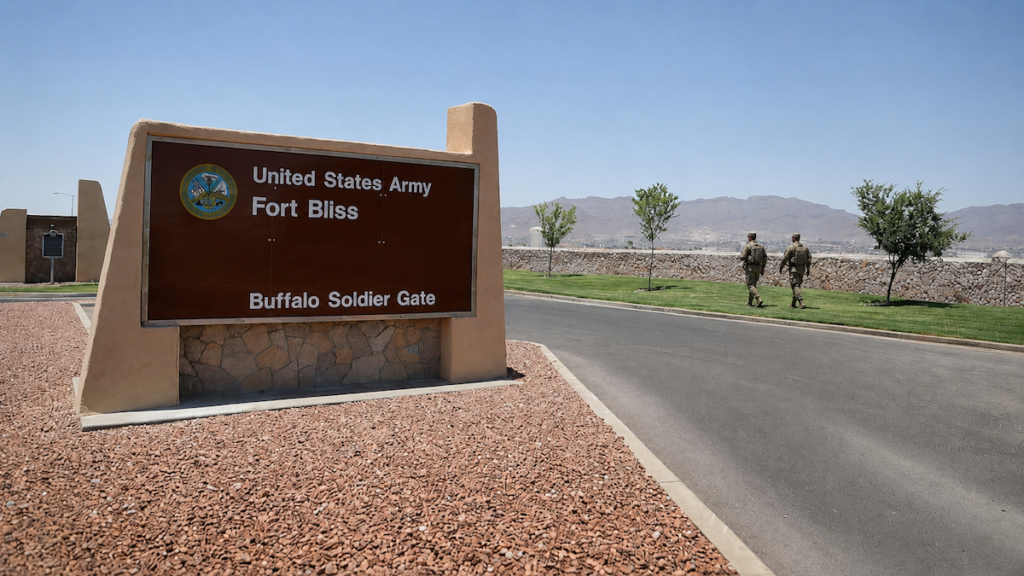
A federal jury’s decision to convict Joseph Lavar Davis of systematically looting more than a million dollars’ worth of Meals, Ready-to-Eat from Fort Bliss is more than a simple theft case; it is a window into how fragile the logistics chain that keeps both the military and the civilian preparedness community supplied can be. Davis, a civilian contractor with inside access, allegedly moved pallets of the high-calorie, long-shelf-life rations out the back gate for months in 2020, converting government property into black-market profit. For Second Amendment advocates who stock MREs as part of layered emergency planning, the episode underscores that the same supply lines that feed troops are also tempting targets for insiders, and that any disruption—whether from theft, regulation, or future rationing—can ripple outward to private citizens who rely on these meals when store shelves empty.
Beyond the dollar figure, the case highlights the uneasy relationship between government-controlled stockpiles and individual self-reliance. While the Department of Defense maintains vast inventories of MREs for national emergencies, civilians cannot simply walk into a base exchange and buy cases at cost; they must navigate commercial vendors whose prices and availability fluctuate with DoD contracts and export restrictions. When an insider diverts product, the shortfall is ultimately borne by the taxpayer and, indirectly, by preppers who compete for the remaining civilian supply. The conviction therefore serves as a reminder that dependence on Uncle Sam’s pantry is a single point of failure; the wiser course is to diversify sources, rotate personal inventories, and treat MREs as one tool among many rather than a guaranteed backstop.
Finally, the Davis verdict carries a quiet warning about the expanding surveillance state that already tracks firearms purchases, ammunition transfers, and now, apparently, bulk food movements. If prosecutors can build months-long conspiracy cases around pallet jacks and warehouse logs, the same data-collection apparatus could one day be turned on citizens who lawfully accumulate “too many” rounds or cases of rations. The 2A community’s long-standing argument—that an armed populace is a check on government overreach—extends naturally to food security: an independent citizen who can feed himself for weeks or months is harder to coerce than one waiting for the next government shipment. In that light, the Fort Bliss theft is not merely a crime against the Army; it is another data point proving why personal preparedness, including the legal acquisition and storage of both firearms and the calories to sustain them, remains an essential expression of liberty.


