

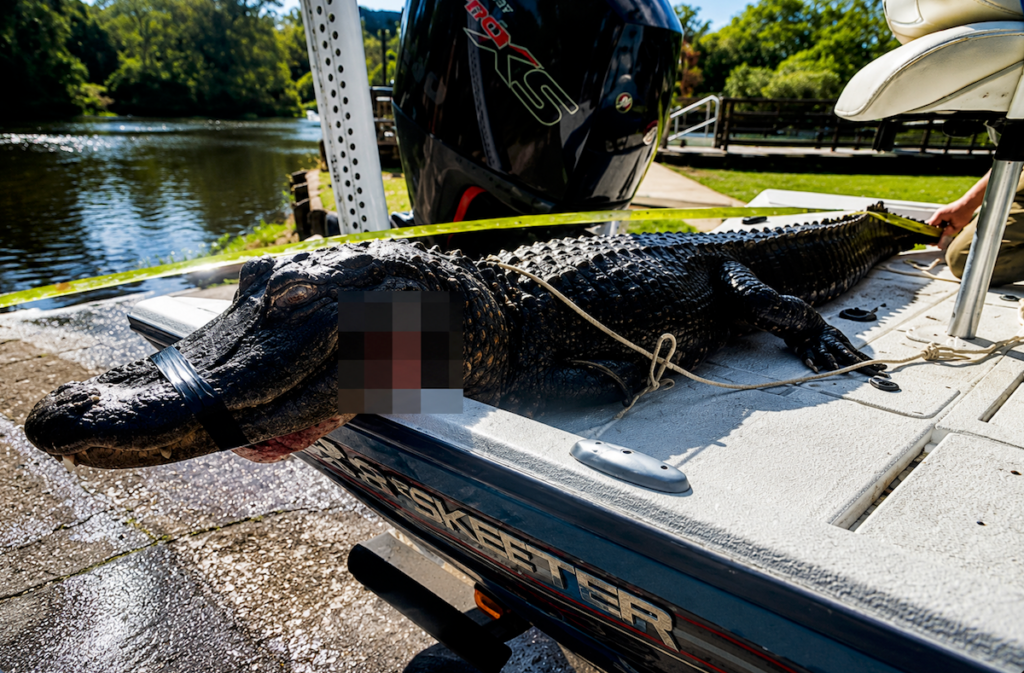
The Silver River attack is a textbook reminder that nature doesn’t negotiate, and the only “permit” that matters when a ten-foot predator decides you’re lunch is the one you already carry on your hip. Florida’s own statutes affirm the right to keep and bear arms for self-defense in every corner of the state, yet the reflexive “alligators first” crowd will still insist that a law-abiding swimmer should have been unarmed. In reality, had the victim or a companion been able to deliver rapid, accurate fire the moment the reptile clamped down, the difference between a traumatic amputation and a survivable scare could have been measured in fractions of a second—precisely the scenario the Second Amendment exists to protect.
Data from the Florida Fish and Wildlife Conservation Commission shows that nuisance-alligator complaints have risen more than 25 percent in the last decade, while the population of animals exceeding nine feet—the size most likely to view an adult human as prey—has climbed in lockstep. That trend collides with another statistic the media rarely pairs with it: Floridians who hold concealed-carry licenses now number more than 2.7 million, yet the overwhelming majority of river-goers still treat the water as a gun-free zone by custom rather than by law. The result is a growing mismatch between rising risk and self-imposed helplessness, a mismatch the 2A community has been highlighting for years.
The larger implication is cultural as much as legal. When a state’s own wildlife agency warns residents to “be aware of your surroundings,” the responsible corollary is that citizens should also be equipped to alter those surroundings in an instant. Training, marksmanship, and the legal carry of a reliable sidearm turn a potential obituary into an after-action report. Until the broader public accepts that the same Constitution that safeguards the press also safeguards the swimmer, stories like the Silver River incident will keep cycling from local news to national shrug—each one an object lesson in why the right to keep and bear arms isn’t a hobby, it’s a contingency plan.


