

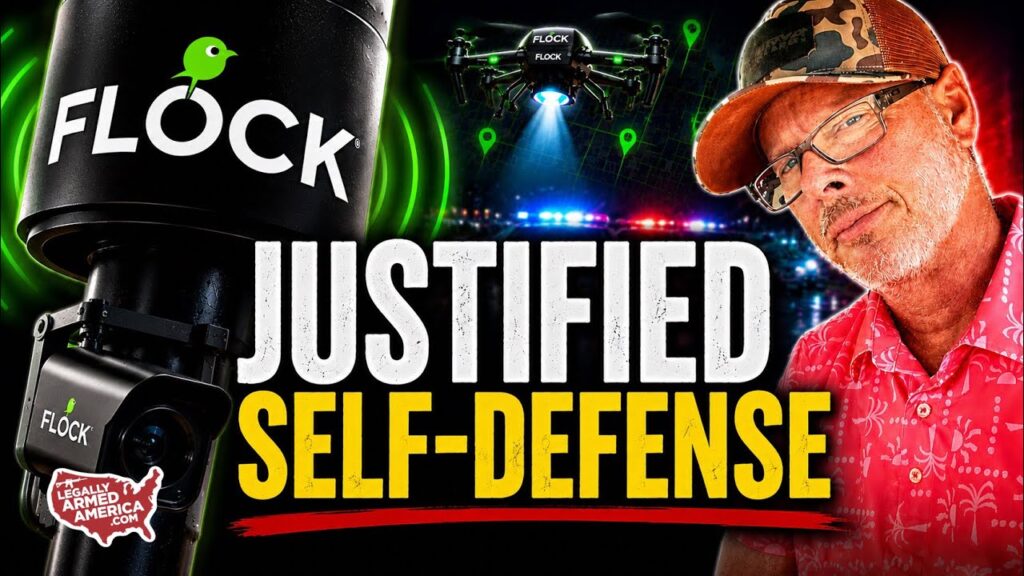
Flock Safety’s latest self-congratulatory tweet reveals a surveillance apparatus that can locate a citizen within minutes of a defensive gunshot, then hand that location to police as if the shooter were automatically a criminal. The company’s network of license-plate readers, gunshot-detecting microphones, and drone fleets turned a lawful act of self-preservation into an instant data point for law enforcement, underscoring how private vendors now perform the first cut of “probable cause” before any human officer even arrives. For gun owners this is more than creepy efficiency; it is the quiet creation of an always-on digital dragnet that treats every defensive discharge the same as an offensive one, erasing the legal distinction between victim and aggressor until the citizen proves otherwise.
The deeper problem is mission creep dressed as public safety. What began as a tool to recover stolen cars has metastasized into real-time acoustic and aerial tracking that can be queried by any agency with a login, often without warrants or public oversight. In states where self-defense is still robustly protected, this technology effectively shifts the burden: instead of the state proving you acted unlawfully, the data trail brands you a “suspect” the moment the microphones register gunfire. Gun owners who lawfully carry or keep firearms in their homes now face the prospect that their split-second decision to survive will be replayed, timestamped, and geo-fenced by algorithms that have no understanding of castle doctrine or stand-your-ground statutes.
For the 2A community the takeaway is straightforward: every new node added to this surveillance web increases the cost of exercising the right to armed self-defense. Law-abiding carriers must now weigh not only the legal aftermath of a justified shooting, but also the certainty that their vehicle, their neighborhood, and even their voice will be catalogued and cross-referenced before they can explain what happened. Without aggressive pushback—state legislation banning warrantless Flock queries, local moratoriums on audio-equipped cameras, and public records requests exposing how often defensive shootings are mislabeled—the infrastructure for monitoring lawful gun owners will be fully built before most people realize it exists.


