

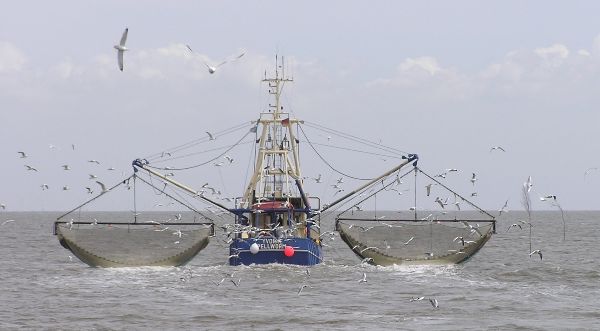
The decision to open protected waters to commercial harvest is a textbook case of regulatory creep dressed up as economic necessity, and it should set off alarm bells for anyone who values self-reliance and the right to keep and bear arms. When government managers decide that once-off-limits zones are suddenly fair game for industrial-scale extraction, they reveal the same mindset that treats private firearm ownership as a privilege to be rationed rather than a fundamental liberty. Both issues hinge on the principle that individual citizens—not distant bureaucrats—should decide how to responsibly steward resources, whether those resources are fish stocks or the means of self-defense.
For the 2A community, the parallel is obvious: just as commercial fleets can strip a fishery bare once barriers fall, incremental licensing schemes, magazine restrictions, and “sensitive area” gun bans can quietly erode the practical exercise of the Second Amendment until little remains. History shows that once a protected category is redefined as exploitable, reversing course becomes politically difficult; the same dynamic applies when temporary public-safety rules harden into permanent disarmament zones. Sportsmen who rely on sustainable harvests for food security understand that healthy ecosystems depend on decentralized accountability, not top-down quotas—an insight that maps directly onto why an armed citizenry serves as the ultimate check against governmental overreach.
Ultimately, this fisheries reversal underscores a broader cultural contest over who controls access to essential tools of survival. Whether the contested resource swims in protected waters or rests in a gun safe, the pattern is identical: centralized authorities expand their reach by promising stewardship, then normalize extraction or restriction that leaves individuals more dependent and less capable. The 2A community’s vigilance on this front is not about partisanship; it is about preserving the same distributed responsibility that keeps both ecosystems and republics resilient.


