

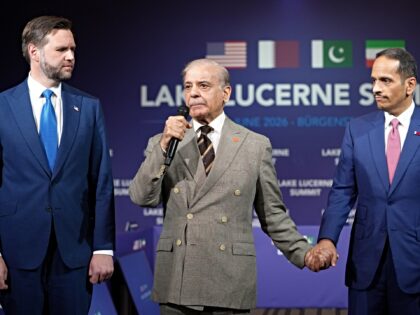
The reported “encouraging progress” between Washington and Tehran is being sold as a diplomatic breakthrough, yet the fine print still leaves the Islamic Republic’s nuclear infrastructure intact and its ballistic-missile program untouched. For the firearms community that means the same regime that has armed Hezbollah, the Houthis, and Shia militias across the region could soon receive sanctions relief worth tens of billions—cash that historically finds its way into weapons pipelines rather than bread lines. While the Biden-era JCPOA at least pretended to slow enrichment, any new handshake that drops “maximum pressure” without iron-clad, anytime-anywhere inspections simply resets the timer on an Iranian bomb and the proxy wars it fuels.
Domestically, the optics of another Middle-East deal coincide with an administration already pushing pistol-brace rules, “ghost-gun” edicts, and import bans on affordable defensive rifles. If sanctions evaporate, expect the usual Beltway two-step: praise the diplomats on Sunday, then trot out fresh ATF proposals on Monday to show toughness somewhere—anywhere—other than confronting actual state sponsors of terrorism. The 2A takeaway is straightforward: every loosened dollar that reaches Iran’s Revolutionary Guard ends up pointed at American interests abroad and, indirectly, at the political narrative used to justify restrictions at home.
Bottom line, the summit may buy time on cable news, but it does nothing to alter the math that an emboldened Iran plus an administration hostile to civilian arms ownership equals more pressure on law-abiding gun owners, not less. Keep your magazines loaded, your powder dry, and your eyes on both the ayatollahs and the regulators—because the former’s next windfall is the latter’s next excuse.


