

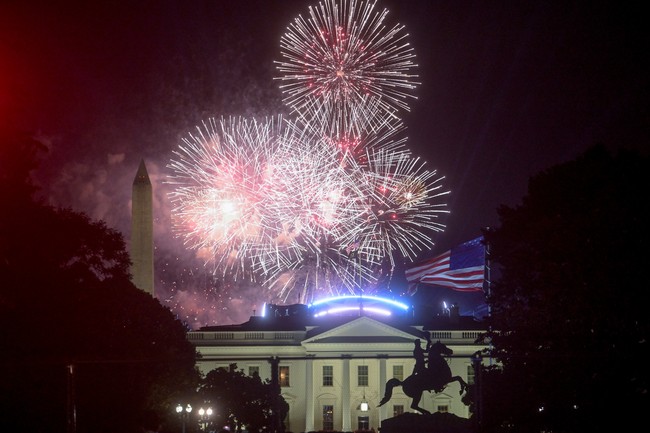
As we mark 250 years of American independence, the real story isn’t about parades or pyrotechnics—it’s about the steady, often quiet presence of privately owned firearms that have repeatedly turned the tide when government power threatened to overwhelm individual liberty. From the “shot heard round the world” at Lexington to the citizen militias that checked British regulars, the Founders understood that parchment guarantees mean little without the means to enforce them; the Second Amendment wasn’t an afterthought but the practical insurance policy that made every other right enforceable. Today that same principle still operates every time an armed homeowner stops a home invasion the police cannot reach in time, or when law-abiding carriers deter mass attackers before body counts climb—evidence that the right to keep and bear arms continues to function exactly as designed, not as a relic but as living protection.
For the 2A community the milestone carries both celebration and warning: while cultural elites push “fireworks-only” narratives that treat guns as dangerous toys best left to professionals, data from the CDC, National Academy of Sciences, and state-level shall-issue studies show millions of defensive gun uses annually, dwarfing criminal misuse and underscoring that an armed populace remains the ultimate check against both street-level predators and overreaching officials. The implication is clear—any policy that chips away at access to modern arms under the guise of “public safety” is trading proven deterrence for feel-good optics, and the 250-year ledger shows which side of that trade has kept the Republic intact.


