

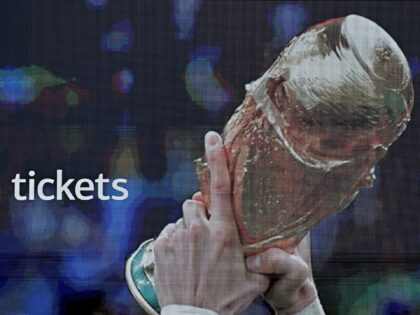
FIFA’s decision to jack up World Cup ticket prices looks less like simple greed and more like a textbook case of an unaccountable monopoly testing how much the public will swallow before it pushes back. When an organization that already enjoys government-backed exclusivity starts “artificially inflating” costs and then gaslights fans about “dynamic pricing,” it reveals the same impulse that drives every other protected cartel: extract maximum revenue while the barriers to competition remain in place. The backlash isn’t just about soccer tickets; it’s about what happens when consumers finally notice they have no real alternatives and no meaningful recourse.
For the 2A community the lesson is immediate and practical. The same regulatory mindset that lets FIFA corner an entire sport and then punish its own customers is the mindset that keeps trying to corner the firearms market through registration schemes, insurance mandates, and boutique dealer rules that only the largest players can absorb. Every time a governing body—whether it’s a sports federation or a state legislature—claims it’s protecting the public while actually shielding incumbents, individual rights take the hit. The ticket-price revolt shows that organized pushback can force daylight onto these arrangements; the same energy applied to defending the right to keep and bear arms keeps regulatory creep from becoming regulatory lockdown.
What happens next will tell us whether fans treat this as a one-off annoyance or as proof that concentrated power always finds new ways to charge more for less choice. If the investigation fizzles and prices stay stratospheric, expect the same pattern in other heavily regulated spaces: costs rise, participation narrows, and only the well-connected stay in the game. The 2A world already lives with that reality every time a new excise tax or “safety” surcharge is floated; the World Cup story is simply the global version playing out on a bigger stage.


