

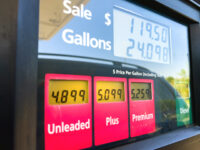
The softer-than-expected April reading on the Fed’s preferred inflation gauge is the latest sign that the post-pandemic price spike may finally be cresting, yet the same report shows consumers are already throttling back because of $4-plus gasoline. That combination—cooling but still-elevated prices plus pinched household budgets—matters to the firearms community because it directly influences how the Federal Reserve will steer interest rates through the rest of the year. Lower inflation gives Chair Powell more room to pause or even ease, which in turn keeps borrowing costs from climbing further and preserves the disposable income that funds range days, new optics, and that “just one more” AR build sitting in the shopping cart.
At the same time, stubbornly high energy prices act like a hidden tax that hits blue-collar and rural households—the core of the gun-owning demographic—especially hard. When filling the truck or the boat eats an extra $60 a week, the money has to come from somewhere, and historically that “somewhere” includes the gun safe. Dealers already report that big-ticket, high-margin SKUs are the first to feel the squeeze when fuel spikes, while lower-priced ammunition and optics hold up better. If the Fed’s data continue to soften without a sudden resurgence in energy costs, the odds improve that rates will stabilize rather than march higher, giving the industry a more predictable cost-of-capital environment heading into the fall hunting and holiday seasons.
For Second Amendment advocates, the takeaway is twofold: first, any let-up in monetary tightening reduces one external pressure on gun sales; second, the persistence of elevated gas prices underscores why pocketbook issues remain potent political motivators in 2024. Candidates who pair pro-2A rhetoric with credible plans to expand domestic energy output are effectively campaigning on both the right to keep and bear arms and the ability to afford the truck that gets them to the range or the lease. In short, today’s inflation print is not just a macroeconomic footnote—it is a window into the economic climate that will shape both gun-industry balance sheets and the electoral map this November.


