

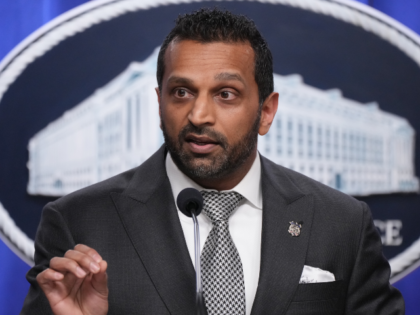
FBI Director Kash Patel’s announcement that more than two dozen Tren de Aragua gang members have been taken off American streets is more than a law-enforcement win—it’s a vivid reminder that the rule of law still matters when transnational predators try to import their brand of chaos. These Venezuelan gangsters, many of them hardened by years of unchecked migration and sanctuary-city policies, have been linked to violent home invasions, drug trafficking, and extortion rackets that prey on the very communities politicians claim to protect. Patel’s weekly update underscores a shift from the previous administration’s catch-and-release posture to one that treats border security and interior enforcement as non-negotiable priorities, and the 2A community should take note: every criminal removed from the streets is one less justification for the gun-control lobby’s perennial claim that “more guns equal more crime.”
The deeper implication for gun owners is that effective policing and an armed citizenry are not mutually exclusive—they are complementary layers of defense. When federal agencies actually do their job, the pressure to disarm law-abiding Americans loses its emotional punch. Conversely, when cities advertise themselves as soft targets, the Second Amendment becomes the last line of deterrence for families who cannot count on 911 response times. Patel’s arrests send a clear signal that the federal government is finally willing to confront the downstream consequences of open-border experimentation, and that willingness strengthens the case for shall-issue carry, constitutional carry, and the right to keep and bear arms without apology.
For the 2A community, the takeaway is straightforward: celebrate the victories, but stay vigilant. Criminal networks adapt quickly, and the same political forces that once denied the existence of a border crisis are already spinning these arrests as “overreach.” Continued support for pro-Second Amendment candidates, state attorneys general willing to defend constitutional carry, and training programs that turn everyday citizens into responsible first responders will ensure that today’s enforcement gains are not reversed by tomorrow’s election cycle.


