

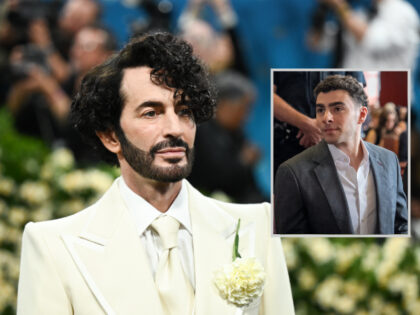
Marc Jacobs’ decision to anoint Luigi Mangione as a “fashion trendsetter” is more than a runway stunt; it’s a textbook example of how elite tastemakers sanitize violence when it’s aimed at the right targets. By offering to dress an admitted killer for trial, Jacobs is signaling that the optics of rebellion matter more than the body count, and that a well-cut jacket can launder moral culpability. For the 2A community, the message is unmistakable: the same cultural gatekeepers who recoil at the sight of an AR-15 at a range will applaud a murderer’s sartorial “statement” if the victim fits their political narrative.
The deeper irony is that Jacobs is trafficking in the very symbolism gun owners have long understood—clothing as both armor and declaration. Where a concealed-carry citizen might choose understated attire to avoid unwanted attention, Mangione’s alleged “look” is being celebrated precisely because it telegraphs defiance. This double standard reveals the selective tolerance for armed resistance: when it’s exercised through institutions or approved causes, it’s couture; when it’s exercised by ordinary citizens defending life or property, it’s extremism. The 2A world has seen this script before—media outlets that frame riots as “mostly peaceful” while branding lawful self-defense as vigilantism.
Ultimately, the episode underscores why rights must be grounded in principle rather than popularity. If fashion editors can rebrand homicide as edgy, then the legal and cultural safeguards for self-defense become even more critical. The right to keep and bear arms exists precisely so that protection of life isn’t left to the aesthetic judgments of coastal tastemakers or the political whims of the moment.


