

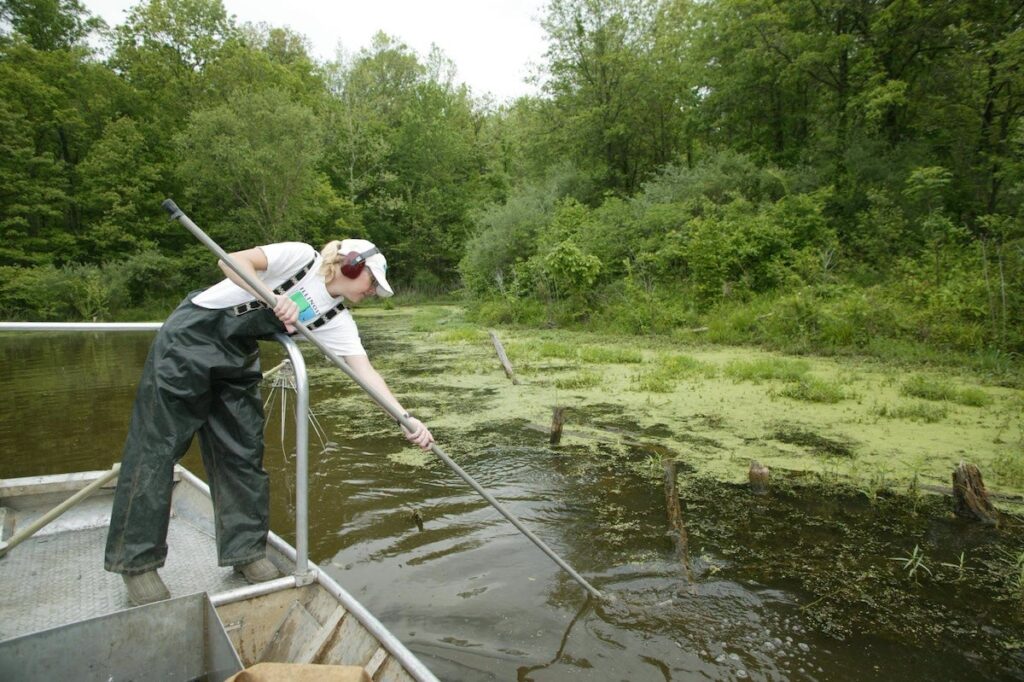
The silver carp die-off along the Illinois River isn’t just an ecological footnote—it’s a vivid reminder that nature sometimes hands us unexpected tools when bureaucracy drags its feet. While the IDNR attributes the event to post-spawn stress, the timing and scale suggest these invasive jumpers may be self-limiting in ways that decades of electro-fishing and poison budgets never achieved. For Second Amendment advocates, the parallel is obvious: when government programs stall or prove too costly, private citizens and market forces often step in with cheaper, faster, and more creative solutions—whether that’s targeted harvest by commercial anglers or, in other states, the quiet expansion of suppressed .22s and air rifles for night culling on private waters.
What makes this story especially resonant for the 2A community is the underlying principle of self-reliance. Silver carp were imported decades ago under the same “it seemed like a good idea at the time” logic that now fuels calls for magazine bans and “assault weapon” restrictions. Yet here, without new legislation or another layer of federal oversight, the river is correcting course on its own. That autonomy mirrors the constitutional argument that an armed, responsible citizenry can manage threats—feral hogs, invasive fish, or otherwise—more nimbly than distant agencies. The carp die-off quietly validates the idea that local knowledge and individual initiative frequently outperform top-down mandates.
Longer term, the event could shift how states approach both invasive species and firearms policy. If commercial fishers and sport shooters demonstrate they can turn a nuisance into a resource—selling the meat, using the carcasses for fertilizer, or simply reducing numbers through regulated harvest—lawmakers may find fewer excuses to restrict the very tools that make such management practical. In an era when every new regulation is sold as “common-sense,” the Illinois River is offering a different lesson: sometimes the most sensible approach is to let people keep and bear the arms they already own and let results, not rhetoric, do the talking.


