

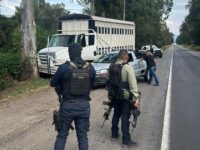
The latest report of a Mexican cartel leader slapping a bounty on American agents operating south of the border is more than another grim headline—it’s a stark reminder that the rule of law is only as strong as the willingness to enforce it. When narco-bosses feel emboldened enough to put prices on the heads of federal officers, it signals a collapse of deterrence that inevitably spills across our own southern frontier. For Second Amendment advocates, the takeaway is immediate: the same porous border that lets cartel hit squads operate with near-impunity is the same corridor through which the firearms they covet—often legally purchased in the U.S. and then smuggled south—are trafficked. The cycle is self-reinforcing; weak enforcement invites more violence, which in turn is used to justify further restrictions on law-abiding American gun owners rather than on the criminals who actually misuse them.
Equally troubling is the asymmetry of risk. U.S. agents working inside Mexico already operate under restrictive rules of engagement and with limited backup; now they must also weigh the possibility that local contacts have been bought off by the very organizations they’re trying to dismantle. That environment rewards individuals who carry the means of self-defense, yet many federal agents are still hamstrung by pistol-caliber limitations and magazine-capacity caps that cartel sicarios ignore. The 2A community has long argued that “shall-issue” carry and modern defensive firearms are force equalizers; the bounty story supplies a real-world illustration of why law-enforcement officers—and, by extension, private citizens—need access to the same tools the bad guys use, not arbitrary handicaps written in Washington.
Finally, the episode underscores a broader strategic failure: treating the symptoms of cartel power (guns, cash, drugs) while refusing to confront the underlying collapse of Mexican sovereignty. When American citizens are told they must surrender magazine capacity or “assault weapons” to keep cartels from obtaining them, the premise is not only false but dangerous. Cartels source firearms wherever prohibition creates profit, and a disarmed populace on either side of the border simply raises the price of compliance, not the price of defiance. The only credible deterrent is credible force—applied at the border, inside cartel territory, and in the form of an armed, trained citizenry that refuses to outsource its safety to governments already overwhelmed by the threat.


