

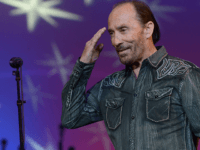
Lee Greenwood’s renewed insistence that “God Bless the USA” is more vital today than when it first topped the charts in 1984 is not just a patriotic sound-bite—it’s a cultural flare shot across a divided nation. The song’s simple refrain has long functioned as an emotional shorthand for the freedoms that underwrite every other liberty, including the individual right to keep and bear arms. In an era when some politicians openly question whether the Second Amendment is still “necessary,” Greenwood’s reminder that the anthem was written to honor service members and first responders doubles as a tacit defense of the very culture that produced the citizen-soldier. When he sings about standing “proudly” because “at least I know I’m free,” the line lands with special resonance for gun owners who view the right to arms as the practical guarantor of all other constitutional guarantees.
What makes Greenwood’s message especially salient for the firearms community is the way he links national gratitude to personal responsibility. He has repeatedly said the tune was inspired by troops who “don’t ask for much, just a little recognition.” That same ethic of quiet vigilance animates many 2A advocates who see themselves not as militants but as stewards of a founding-era social contract: an armed populace ready to deter tyranny and defend the homeland. By urging listeners to appreciate the country “more today than ever,” Greenwood is effectively calling for a recommitment to the habits—marksmanship, preparedness, civic education—that keep both the republic and the rifle relevant.
The timing of his comments also carries strategic weight. With lawsuits challenging magazine bans, “ghost gun” rules, and braced-pistol restrictions moving toward the Supreme Court, cultural reinforcement matters as much as legal argument. A chart-topping country classic that millions instinctively sing at ballgames and Memorial Day parades can do what no amicus brief can: remind fence-sitting voters that the Second Amendment is not an asterisk on American identity but part of its chorus. Greenwood’s encore, then, is less about nostalgia than about narrative—keeping the story of a free, armed citizenry alive in the soundtrack of everyday life.


