

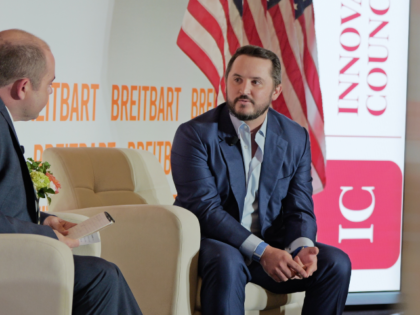
Taylor Budowich’s blunt assessment that AI data centers should be “feeding our communities” instead of draining them lands like a warning shot across the bow of the same technocratic class that has spent the last decade trying to starve the Second Amendment. When hyperscale facilities gobble up rural substations, spike electricity rates, and crowd out manufacturing jobs, they replicate the same top-down logic that gun-control advocates use when they claim “public safety” while ignoring the communities left defenseless. Budowich’s call for these data-center operators to start “listening to what people are saying” is therefore more than an energy gripe; it is a reminder that concentrated power—whether in silicon racks or in Washington—tends to treat ordinary citizens as afterthoughts rather than stakeholders.
For the 2A community, the parallel is obvious: just as data-center developers arrive with federal incentives, friendly regulators, and glossy promises of “progress,” gun-control organizations arrive with model legislation, billionaire funding, and the same claim that local concerns are merely anecdotal. Both trends concentrate authority in distant boardrooms and bureaucracies while the costs—higher utility bills, shuttered factories, or infringed rights—land squarely on towns already struggling to keep the lights on and the sheriff’s cruisers fueled. When communities finally push back, the response is identical: lectures about the greater good and thinly veiled threats that resistance is futile.
The deeper implication is strategic. If rural and working-class voters can force AI giants to internalize the real price of their expansion, the same grassroots muscle can be applied to statehouses weighing magazine bans, red-flag laws, or “secure storage” mandates. Budowich’s message is therefore portable: insist that every policy—energy, land use, or self-defense—must demonstrably strengthen, not siphon, the places ordinary Americans still call home.


