

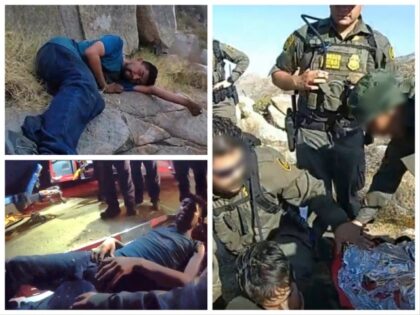
U.S. Border Patrol agents operating in the rugged mountains east of San Diego recently found themselves in the dual role of law-enforcement officers and emergency rescuers, pulling illegal aliens from life-threatening heat exhaustion on two separate occasions. While the mainstream narrative frames these missions as simple humanitarian gestures, the reality is far more complex: every agent diverted to a rescue is one less agent available to interdict the very smuggling networks that put those same individuals in danger. The same rugged terrain that hides cartel scouts and fentanyl mules also conceals the weapons those networks use to protect their multi-billion-dollar trade—AK-pattern rifles, short-barreled shotguns, and handguns smuggled south-to-north or purchased through straw buyers on this side of the line.
For the 2A community, the story underscores a critical truth: when federal resources are stretched thin by an open-border policy, the burden of security inevitably shifts to law-abiding citizens. Ranchers along the border have long reported armed encounters with smugglers; homeowners in once-quiet counties now keep rifles staged for rapid deployment. The same agents who carry sidearms into scorching canyons to save lives are also the ones whose overtime is consumed by rescues instead of dismantling the armed networks that exploit the chaos. Meanwhile, the very politicians who decry “assault weapons” in American cities remain silent about the fully automatic rifles and hand grenades regularly seized from cartel stash houses just miles from U.S. soil.
The deeper implication is that border security and the right to keep and bear arms are not separate issues—they are two sides of the same constitutional coin. An administration that cannot, or will not, control the border creates the conditions under which millions of Americans feel compelled to exercise their Second Amendment rights more robustly. Whether it is a rancher in Arizona who now openly carries a rifle while checking fence lines or a prepper in Texas who trains with night-vision optics, the message is the same: when government fails at its most basic duty—securing the homeland—citizens will not surrender the tools that allow them to secure their own.


