

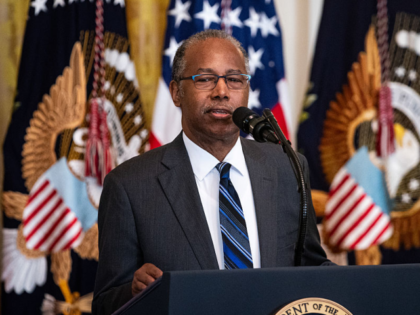
Dr. Ben Carson’s spotlight on “Star Spangled Adventures: The Movie” lands at a moment when the culture war over how America’s story is told has never been more intense. By choosing animation to dramatize the founding era, the project sidesteps the gatekeepers of legacy Hollywood and delivers a visually kinetic narrative that can reach kids before the revisionists do. For the 2A community, that matters: the same forces that want to air-brush the Second Amendment out of civics lessons are the ones who dominate children’s entertainment. An unapologetic, entertaining counter-narrative gives parents a tool to inoculate the next generation against the claim that the right to keep and bear arms was an afterthought rather than a cornerstone of ordered liberty.
The timing is equally strategic. With the film premiering at the Kennedy Center under a Trump-era imprimatur, it signals that institutional real estate once ceded to progressive cultural programming is being reclaimed. Animation lowers the barrier to entry—no big-name actors, no risk of cancellation—so the message can travel further and faster than a traditional historical drama. That reach matters when school boards are still debating whether the Federalist Papers belong in the curriculum and when ATF rule-making keeps inching toward a de-facto registry. A generation raised on vivid scenes of militiamen answering the call with their own arms is more likely to see “shall not be infringed” as a living inheritance rather than a talking point.
Ultimately, the film’s success will be measured not in box-office numbers but in whether it shifts the Overton window on what counts as acceptable children’s content about guns and freedom. If families leave the theater humming the theme and asking why the founders trusted citizens with firearms, the project will have done more for the culture of the Second Amendment than another policy paper. In a media landscape where every frame is contested ground, animation is proving to be a surprisingly potent weapon in the long fight to keep the American story—and the right it protects—intact.


