

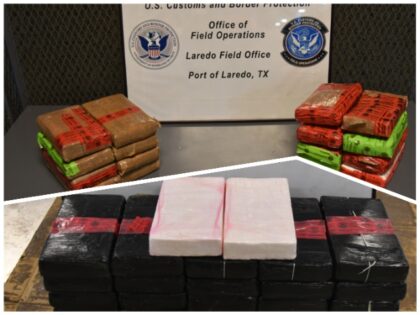
The seizure of more than $1.1 million in cocaine at the Laredo Port of Entry is a stark reminder that the southern border remains a critical battleground—not just for immigration enforcement, but for the very safety of American communities. While the media often frames these busts as isolated victories, the reality is that every kilo stopped at the border is one less weapon in the hands of the cartels that fuel violence on both sides of the Rio Grande. For the 2A community, this isn’t just about drugs; it’s about the downstream effects of unchecked cartel power, from the arming of criminal networks to the erosion of law and order in border states where citizens increasingly rely on their Second Amendment rights for self-defense.
What makes this story particularly telling is the sheer scale of the attempt—two separate smuggling operations, both thwarted by vigilant CBP officers. It underscores the cartels’ relentless adaptability and the critical role of physical border security in disrupting their supply chains. When enforcement works, it works spectacularly; when it falters, the consequences ripple outward, emboldening traffickers and leaving law-abiding Americans to pick up the slack with their own preparedness. The 2A community understands this dynamic better than most: a secure border isn’t just a policy preference—it’s a force multiplier for personal liberty and public safety.
Ultimately, these seizures highlight why border security and the right to keep and bear arms are two sides of the same coin. As long as cartels view the U.S. as a lucrative market, they’ll continue testing our defenses. The Laredo bust proves that strong enforcement can win battles, but it also serves as a call to action for citizens who refuse to outsource their security entirely to federal agencies. In a world where the cartels’ reach extends far beyond the border, the 2A community’s emphasis on vigilance, training, and constitutional rights isn’t just prudent—it’s essential.


