

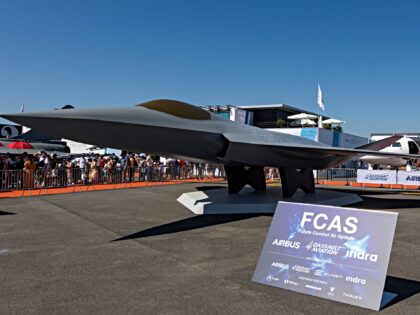
France and Germany just torched a 100-billion-euro fighter program because neither side would surrender the driver’s seat—an expensive reminder that even wealthy European states can’t paper over sovereignty with joint ventures. The Future Combat Air System was supposed to deliver a sixth-generation jet by the 2040s, but endless wrangling over work-share, technology transfer, and who actually pulls the trigger on exports turned the project into a slow-motion train wreck. With the plug pulled, both capitals now face the classic European dilemma: buy American, go it alone at even higher cost, or cobble together something smaller and less ambitious.
For the Second Amendment community the lesson is immediate and practical. When governments can’t even agree on who leads a fighter program, they certainly can’t be trusted to manage the finer points of civilian arms ownership; the same bureaucratic friction that killed FCAS is what produces magazine bans, “assault weapon” definitions, and ever-shifting permitting regimes. A strong domestic defense industry—rooted in private innovation and protected by an armed citizenry—remains the only reliable hedge against both foreign dependence and creeping domestic control. Europe’s misfire simply underscores why Americans must keep the means of production and the right to keep and bear arms firmly in private hands rather than ceding either to supranational committees.


