

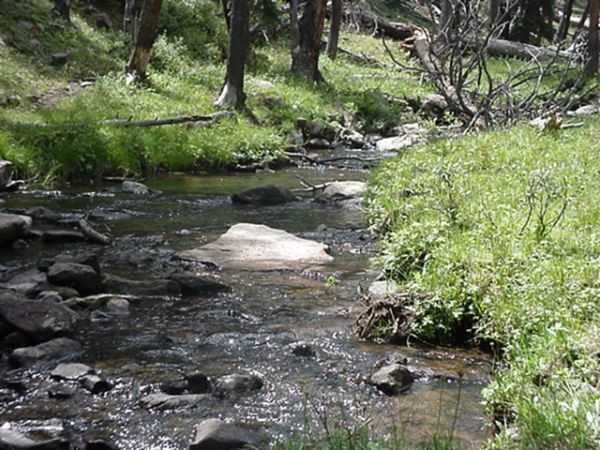
The Utah Division of Wildlife Resources’ plan to poison two High Uintas drainages with rotenone next August is being sold as a noble effort to bring back native cutthroat trout, but the 2A community should read between the lines. Rotenone is a broad-spectrum piscicide that will wipe out every fish in those creeks—native and non-native alike—before managers restock the waters with hatchery-raised cutthroats. The same agencies that claim they need to “restore balance” are simultaneously pushing for tighter restrictions on lead tackle and longer lists of closed streams, all while the Forest Service quietly expands its footprint in the Uintas. For gun owners who also fish, this is a familiar pattern: government biologists decide what belongs where, then use chemical or regulatory tools to enforce that vision, often with little public input and even less regard for the people who actually fund the work through license fees and excise taxes.
What makes the story especially relevant to Second Amendment advocates is the precedent it sets for access and multiple-use management on public land. Once a drainage is declared “restoration priority,” it frequently becomes subject to seasonal closures, motorized restrictions, and, in some cases, outright exclusion zones that affect hunters as much as anglers. The same legal mechanisms that let the Forest Service green-light rotenone can later justify buffer zones around “sensitive” streams—zones that shrink the acreage open to rifle hunting or backcountry carry. Meanwhile, the non-native fish being eradicated are often the very trout that have sustained decades of angling pressure and, by extension, the Pittman-Robertson dollars that support wildlife management across the West. Erasing those populations under the banner of ecological purity risks undermining the financial model that keeps public lands open and roads maintained for everyone who owns a gun safe and a fishing rod.
The larger implication is philosophical. When state and federal agencies treat native-species restoration as an unquestioned good, they sidestep a deeper debate about whether every landscape must be returned to a pre-industrial baseline or whether sustainable, multi-use traditions—including hunting and fishing—deserve equal weight. For the 2A community, the lesson is straightforward: pay attention when “temporary” chemical treatments and access closures are announced, because the same bureaucratic logic that removes non-native trout today can remove non-native users tomorrow. Staying engaged at the comment stage, showing up at scoping meetings, and reminding managers that excise-tax payers expect both healthy fisheries and continued access is the best insurance against incremental loss of the places where we shoot, fish, and pass on the outdoor heritage.


