

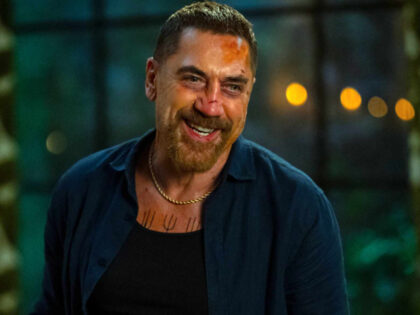
Javier Bardem’s latest outburst—blaming Israel for the surge of migrants storming Spain’s North-African enclave of Ceuta—offers a textbook case of how celebrity virtue-signaling collides with hard reality. The actor’s claim that Israeli policy somehow triggers North-African border chaos ignores the obvious: decades of EU open-border rhetoric, Spanish political paralysis, and the pull of generous welfare systems are the real magnets. Yet Bardem’s narrative is instructive for Second Amendment advocates because it underscores a recurring pattern: when governments lose control of their frontiers, law-abiding citizens are left to fill the security vacuum themselves. In Spain, that vacuum has already produced a spike in street crime and home invasions; in the United States, the same dynamic is playing out in sanctuary cities where illegal entrants are released into communities while police budgets are slashed.
The deeper implication for gun owners is that border failure is never an isolated issue—it is a gateway threat that reframes the entire self-defense debate. When political elites refuse to secure the perimeter, they effectively outsource the risk to private citizens who must then navigate ever-tightening restrictions on the very tools that could mitigate that risk. Bardem’s misdirection also reveals the rhetorical sleight-of-hand used to shift blame from policy failure onto convenient external villains, a tactic that frequently migrates from immigration debates into gun-control arguments. The lesson is straightforward: if the state cannot—or will not—protect its citizens, the moral and constitutional case for an armed populace only strengthens.


