

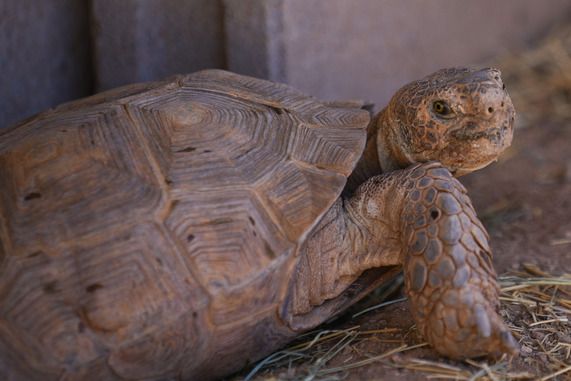
The sudden influx of surrendered desert tortoises into Arizona’s adoption pipeline is a textbook case of how well-intentioned but poorly thought-out regulations create cascading consequences that ripple far beyond the original policy. When state agencies treat every captive reptile as a potential disease vector, they effectively criminalize private ownership without ever proving harm, a regulatory reflex that 2A advocates recognize instantly. The same logic that brands an otherwise healthy tortoise “non-releasable” is the logic that brands an otherwise legal firearm a “high-capacity assault weapon” because of cosmetic features or magazine capacity—both policies rest on the presumption that private citizens cannot be trusted with living things or inanimate objects that might, in theory, cause problems if misused.
What makes the tortoise story especially instructive for gun owners is the speed with which a once-tolerated activity becomes a liability. A decade ago, keeping a desert tortoise was a quirky hobby; today it is a surrender-or-else proposition because regulators decided the risk to wild populations outweighed the rights of individual keepers. Firearm owners watching magazine bans, “ghost gun” rules, and pistol-brace reclassifications see the same pattern: an agency identifies a hypothetical harm, declares private ownership the vector, and shifts the burden onto citizens to prove their innocence or relinquish their property. The tortoises cannot be returned to the desert; the magazines cannot be legally sold or imported; both outcomes flow from the same regulatory philosophy that treats prohibition as the default solution.
The practical takeaway is that rights require infrastructure—breeders, ranges, trainers, legal defense funds—just as tortoise conservation requires adoption networks, veterinary care, and long-term placement options. When government narrows the channels through which citizens can lawfully interact with tortoises or with arms, the result is not greater safety but a growing population of otherwise functional assets that must be warehoused, adopted out, or destroyed. The Arizona tortoises are a living reminder that regulatory overreach does not merely inconvenience hobbyists; it manufactures scarcity, concentrates power, and leaves both animals and citizens dependent on the very bureaucracy that created the problem.


