

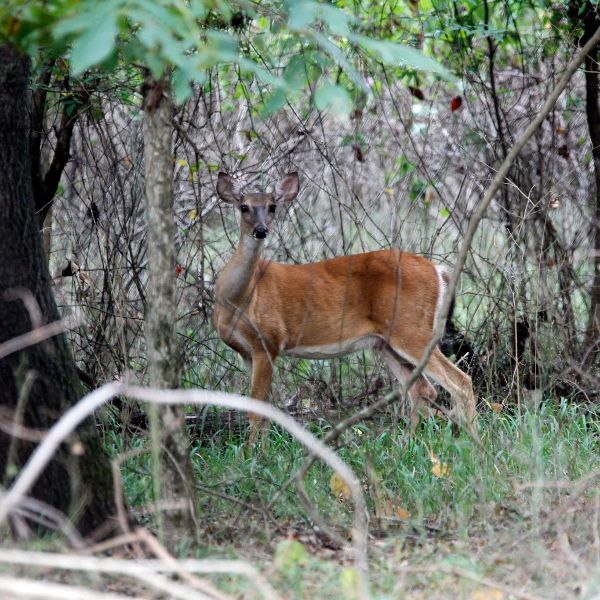
The Arkansas Game and Fish Commission’s warning against “treating” wild animals like livestock isn’t just about screwworms—it’s a reminder that wildlife management belongs to professionals, not backyard biologists with a syringe and a YouTube video. When citizens start dosing deer or feral hogs with off-label dewormers, they risk creating resistant parasite populations that could eventually jump to domestic livestock or even humans, exactly the kind of unintended consequence that anti-hunting activists love to weaponize against the entire hunting community. The New World screwworm’s reappearance in south Texas already has border-state hunters on edge; any perception that sportsmen are spreading resistant parasites will be seized upon by the same groups pushing to restrict access to public lands and hunting seasons.
For the 2A community this matters because the same regulatory logic used to criminalize “unauthorized treatment” of wildlife can be repurposed to restrict private ownership of veterinary antibiotics, anthelmintics, and even basic first-aid supplies that many rural gun owners keep for livestock and working dogs. Once the state claims sole authority over animal health on the grounds of “public safety,” it becomes easier to justify background checks, permitting schemes, or outright bans on common livestock medications—tools that historically have been used as backdoor gun-control measures in other countries. Hunters and ranchers who value both their rifles and their ability to care for animals on their own property have every reason to push back against this creeping expansion of state veterinary monopoly before it migrates from wildlife to the barnyard.
The practical takeaway is simple: report suspected cases to the professionals, keep your powder dry on the policy front, and recognize that every new layer of wildlife-health bureaucracy is another potential choke point for the tools and medicines that keep both game populations and rural lifestyles sustainable.


