

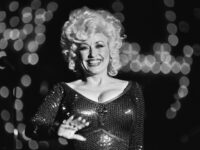
Dolly Parton’s passing at 80 marks the end of an era for American music, but her legacy as a self-made, fiercely independent woman who never apologized for her roots or her right to defend herself offers a powerful reminder to the 2A community. Raised in the hills of East Tennessee, Parton grew up around firearms the way most kids grow up around bicycles—tools for putting food on the table and keeping the peace. She spoke openly about keeping guns in her home and on her tours, once quipping that she felt safer knowing she could protect herself, a stance that quietly aligned her with millions of rural and working-class Americans who view the Second Amendment not as a hobby but as a birthright. Her refusal to be lectured by coastal elites on personal security mirrored the broader cultural pushback against gun-control narratives that dismiss the lived experience of those outside the Beltway.
Beyond the personal anecdotes, Parton’s business empire—from Dollywood to publishing—embodied the same rugged individualism that underpins support for the right to keep and bear arms. She built an entertainment juggernaut without relying on coastal gatekeepers, then used her platform to champion literacy, veterans, and disaster relief, all while steering clear of the performative anti-gun activism that has become fashionable among some entertainers. In an industry where artists are often pressured to virtue-signal on firearms, Parton’s quiet consistency stood out: she never traded her principles for applause. For 2A advocates, her life underscores that cultural icons don’t have to be activists to reinforce the values of self-reliance and constitutional fidelity—they simply have to live them without apology.
Her death also arrives at a moment when the cultural battle over guns is intensifying, with legacy media quick to frame any pro-Second Amendment stance as fringe. Parton’s story pushes back against that framing by reminding audiences that support for the right to bear arms has deep roots in Appalachia and the rural South—places that shaped her music and worldview. As tributes pour in, the 2A community would do well to highlight not just her songs, but the unapologetic self-defense ethos she carried from Sevier County to the world stage. In that sense, Dolly Parton’s legacy isn’t just musical; it’s a quiet affirmation that the right to protect oneself is as American as the mountain music she helped preserve.


