

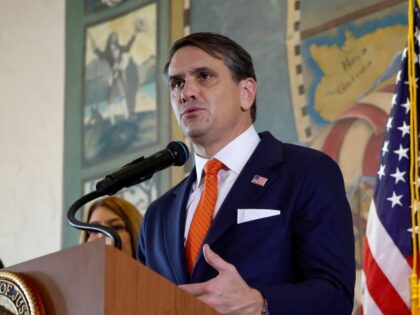
The Department of Justice’s sudden wave of enforcement actions tied to Vance’s Anti-Fraud Task Force is more than a belated mop-up of pandemic-era grift; it signals that the same federal machinery once aimed at small businesses and gun owners can be redirected toward actual large-scale fraud when political will shifts. For years, agencies weaponized ambiguous “fraud” or “structuring” statutes against firearms retailers and lawful purchasers, freezing assets and chilling commerce under the guise of compliance. Now that spotlight has turned on billions allegedly siphoned through COVID relief programs, the contrast underscores how selective enforcement has long been the real policy lever, not the underlying statutes themselves.
Gun owners should read this development as both vindication and warning. Vindication, because it proves federal resources can be marshaled efficiently against genuine, multi-million-dollar schemes rather than nickel-and-diming paperwork errors at FFLs. Warning, because the same task-force model—data sweeps, rapid indictments, asset seizures—could be retooled overnight if a future administration decides Second Amendment commerce itself is suspect. The infrastructure for that kind of crackdown already exists; only the target list would change.
Ultimately, the episode reinforces why institutional capture of the DOJ matters more to the 2A community than any single piece of legislation. When enforcement priorities are set by political appointees rather than career bureaucrats hostile to gun culture, the risk of regulatory guerrilla warfare drops. Conversely, if those priorities drift back toward viewing firearms ownership as inherently suspicious, the same legal tools now deployed against fraudsters will be turned on powder buyers, suppressor makers, and private sellers. The current actions are therefore less a conclusion than a live demonstration of how fragile the boundary between legitimate oversight and rights-infringing overreach remains.


