

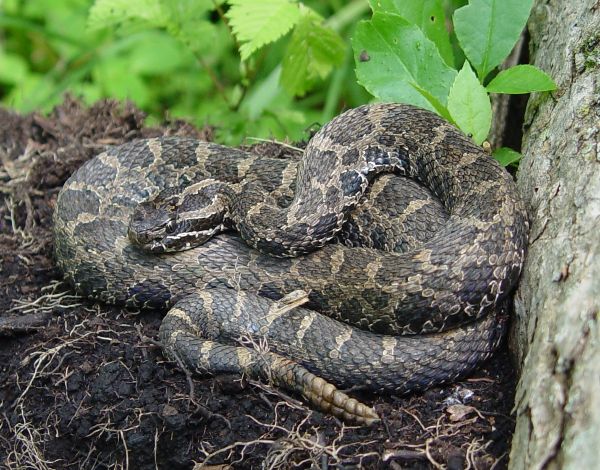
The Michigan DNR’s latest advisory on the eastern massasauga rattlesnake is a textbook case of how the same instincts that keep gun owners safe—situational awareness, respect for habitat, and a healthy dose of “leave it alone”—translate directly to wildlife encounters. When the agency reminds hikers to stay on trails and give the shy pit viper its space, it’s echoing the same principle that keeps negligent-discharge statistics low: know your backdrop, know your target, and don’t poke what you don’t intend to handle. The fact that no confirmed human fatalities have occurred in over a century underscores that the snake, like a loaded firearm, is only dangerous when mishandled or surprised.
For the 2A community, the story is a quiet reminder that public-land access and species-protection rules are two sides of the same coin. Every time a rattlesnake is needlessly killed, the narrative used to justify trail closures or expanded “no-carry” zones gains another anecdote. Conversely, when armed outdoorsmen demonstrate they can coexist with protected species—by carrying snake-shot loads only when truly warranted, or by choosing to photograph rather than dispatch—the data supports keeping those lands open for hunting, hiking, and everyday carry. In other words, the same restraint that prevents an accidental bite also prevents an accidental restriction on your right to bear arms.
Finally, the incident at Proud Lake illustrates how quickly one careless interaction can ripple outward: a single bite becomes a press release, which becomes a temporary area closure, which becomes another talking point for those who’d rather see fewer people—and fewer guns—on public land. The solution isn’t more regulation; it’s more education. Just as the firearms community invests in hunter-safety courses and range etiquette, it can invest in snake-awareness briefings that teach identification, avoidance, and the legal use of deadly force only when life is truly threatened. That approach keeps both the massasauga and the Second Amendment alive and well on Michigan’s trails.


