

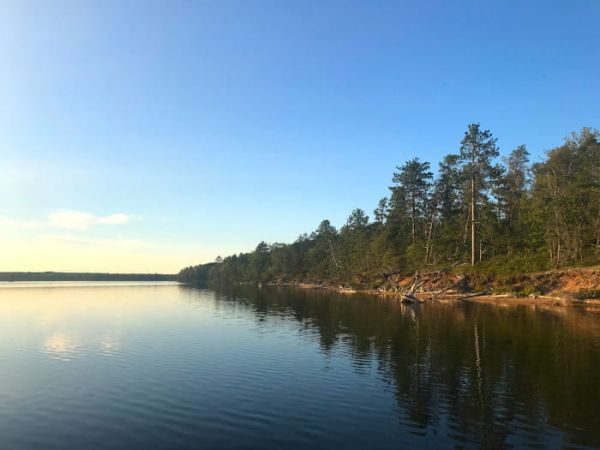
The Michigan DNR’s decision to drop Tomahawk Creek Flooding by two feet is being sold as routine dam maintenance, but the timing and the agencies involved tell a different story. EGLE’s inspection flagged “inadequate flow” and seepage—bureaucratic code for “we’re not sure the structure can handle another spring surge.” That matters to the 2A community because the same stretch of water has long been a quiet access corridor for hunters and trappers working the state’s largest block of public land. Lower the pool and you shrink the navigable window for canoes, jon boats, and the small outboards many locals rely on to reach remote parcels without crossing private land. In other words, the state is trimming the water and, by extension, trimming the practical reach of public-land access that gun owners have counted on for generations.
What makes the move especially galling is the selective nature of the concern. Michigan’s regulatory apparatus can find money and manpower to micro-manage a remote impoundment, yet it still can’t staff enough conservation officers to keep an eye on the same woods during deer season. The result is a two-track system: aggressive environmental oversight on one side, chronic under-enforcement of game laws on the other. For Second Amendment advocates, that imbalance is a reminder that access and carry rights are only as good as the infrastructure that lets you exercise them. If the water keeps dropping and the trails stay unpatrolled, the “public” in public land starts to look more theoretical than real.
The larger implication is that every draw-down, every new permit condition, every “temporary” restriction chips away at the places where lawful gun owners can train, hunt, and recreate without begging permission from adjacent landowners. Tomahawk Creek may seem like a footnote in the state register, but it’s also a test case. If sportsmen and women don’t push back—through comments, FOIA requests, and boots-on-the-ground monitoring—the next “minor adjustment” could be a locked gate instead of a lowered spillway. In the fight to keep both arms and access, details like water levels are never just details.


