

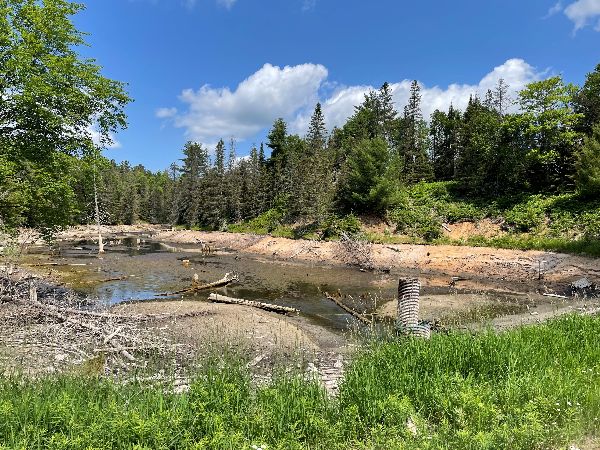
The Michigan DNR’s plan to yank three aging dams in Luce and Mackinac Counties isn’t just about fish passage or flood control; it’s another data point in a decades-long pattern of state agencies quietly reshaping rural landscapes while the Second Amendment community watches from the cheap seats. When a dam comes out, the water table drops, the shoreline recedes, and the public land that once offered a legal backstop for dispersed camping, small-game hunting, and impromptu range days shrinks right along with it. Hunters who have used those impoundments as navigation landmarks or waterfowl blinds will suddenly find themselves on narrower strips of state land hemmed in by private parcels—exactly the kind of access pinch that turns a once-reliable public resource into another “No Trespassing” sign.
At under $300,000 apiece, the removals look like cheap environmental wins on paper, yet the downstream effects rarely show up in the cost-benefit slides. Reduced water storage can alter wetland edges that hold deer and turkey; exposed mudflats invite invasive species that crowd out native browse; and the very act of heavy equipment rolling across two-track roads can trigger new seasonal closures “for public safety.” None of these outcomes are framed as gun issues, but they all constrict the practical acreage where law-abiding citizens exercise their rights without asking permission from a club or a pay-to-play lease. The September 3 meeting in Newberry is therefore more than a fisheries discussion—it’s a land-use referendum whose results will be measured in trail miles, parking spots, and the quiet subtraction of places where the Second Amendment still feels geographically intact.


