

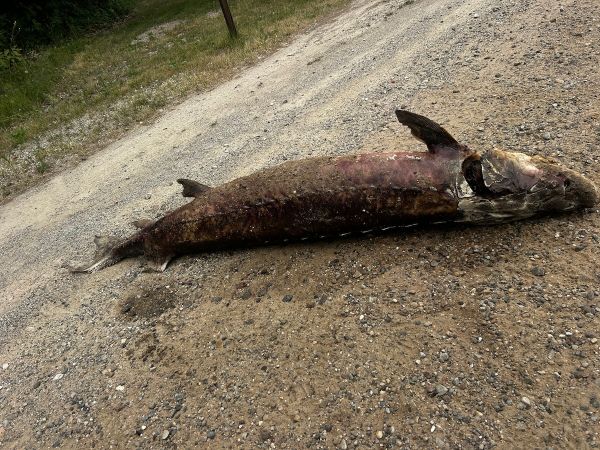
A 71-inch lake sturgeon left to rot on a roadside in Whitehall isn’t just another poaching case—it’s a textbook example of what happens when regulations are written without regard for the people who actually live under them. Michigan’s blanket prohibition on sturgeon fishing in the White River system turns a once-legal, carefully managed harvest into an all-or-nothing proposition; when the only legal option is “do nothing,” some individuals will inevitably choose the illegal one. The DNR’s own data shows these fish are rebounding in several Great Lakes tributaries, yet the agency continues to treat every angler as a potential violator rather than a potential steward. That mindset doesn’t conserve resources; it breeds resentment and drives otherwise law-abiding citizens into the shadows.
For the 2A community the lesson is straightforward: the same logic used to criminalize possession of a six-foot fish is already being applied to the tools we use to defend ourselves and feed our families. When regulators decide that certain equipment, calibers, or even entire categories of arms are simply “off-limits,” they create the identical black-market dynamic now playing out on Durham Road. Lawful sportsmen and sportswomen who once contributed to population studies through tags and reports are instead forced to weigh the risk of a felony against the desire to keep a family tradition alive. The result is fewer eyes on the resource, less cooperation with wardens, and a growing underground economy that benefits no one except actual criminals.
The sturgeon left on that roadside is therefore more than an enforcement statistic; it is a warning sign that overly broad prohibitions erode the very culture of responsible use that has sustained both wildlife and firearms traditions for generations. If Michigan truly wants to protect these ancient fish, it should restore carefully regulated seasons, encourage legal harvest reporting, and treat anglers as partners rather than suspects—the same approach that has repeatedly proven effective with deer, waterfowl, and every other game species under sound management. Until that shift occurs, expect more fish on back roads and more otherwise lawful citizens questioning why the rules seem designed to manufacture outlaws rather than conserve resources.


