

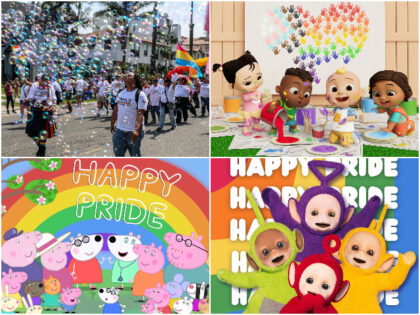
Disney’s decision to plaster Pride messaging across its parks and children’s properties like CoComelon and Peppa Pig isn’t just another corporate rainbow campaign—it’s a calculated effort to normalize adult sexual politics inside spaces once reserved for innocence. When toddlers are greeted with “Happy Pride Month” on screens meant for nursery rhymes, the line between education and indoctrination vanishes, and parents are left wondering whether their family vacation or Saturday cartoon time has been quietly repurposed as activism. The backlash from everyday users calling the move “creepy” isn’t prudishness; it’s recognition that institutions entrusted with childhood are now competing to signal allegiance to an ideology that treats dissent as bigotry.
For the 2A community this cultural offensive matters because the same institutional capture that turns theme parks and cartoons into Pride vehicles is already reshaping the institutions that decide who may keep and bear arms. When schools, media conglomerates, and tech platforms adopt the premise that traditional values are suspect, they create an environment where law-abiding gun owners are recast as threats rather than citizens exercising a constitutional right. The result is incremental policy pressure—red-flag laws, magazine bans, and “safe storage” rules—sold under the banner of protecting children from the very families now being told their worldview is outdated.
The deeper implication is that cultural ground lost today becomes legal and political ground lost tomorrow. Parents who push back against cartoon propaganda are practicing the same vigilance the 2A community has long preached: rights must be defended in every arena, not just at the ballot box or the range. If Disney can weaponize childhood entertainment, then every other lever of influence—curriculum, regulation, corporate policy—remains fair game for those who view the Second Amendment as an obstacle rather than a safeguard.


